01
Production mould
The product, resin, wall thickness, label area, cavity count, cooling, hot runner and ejection concept define the tooling—not a generic catalogue specification.
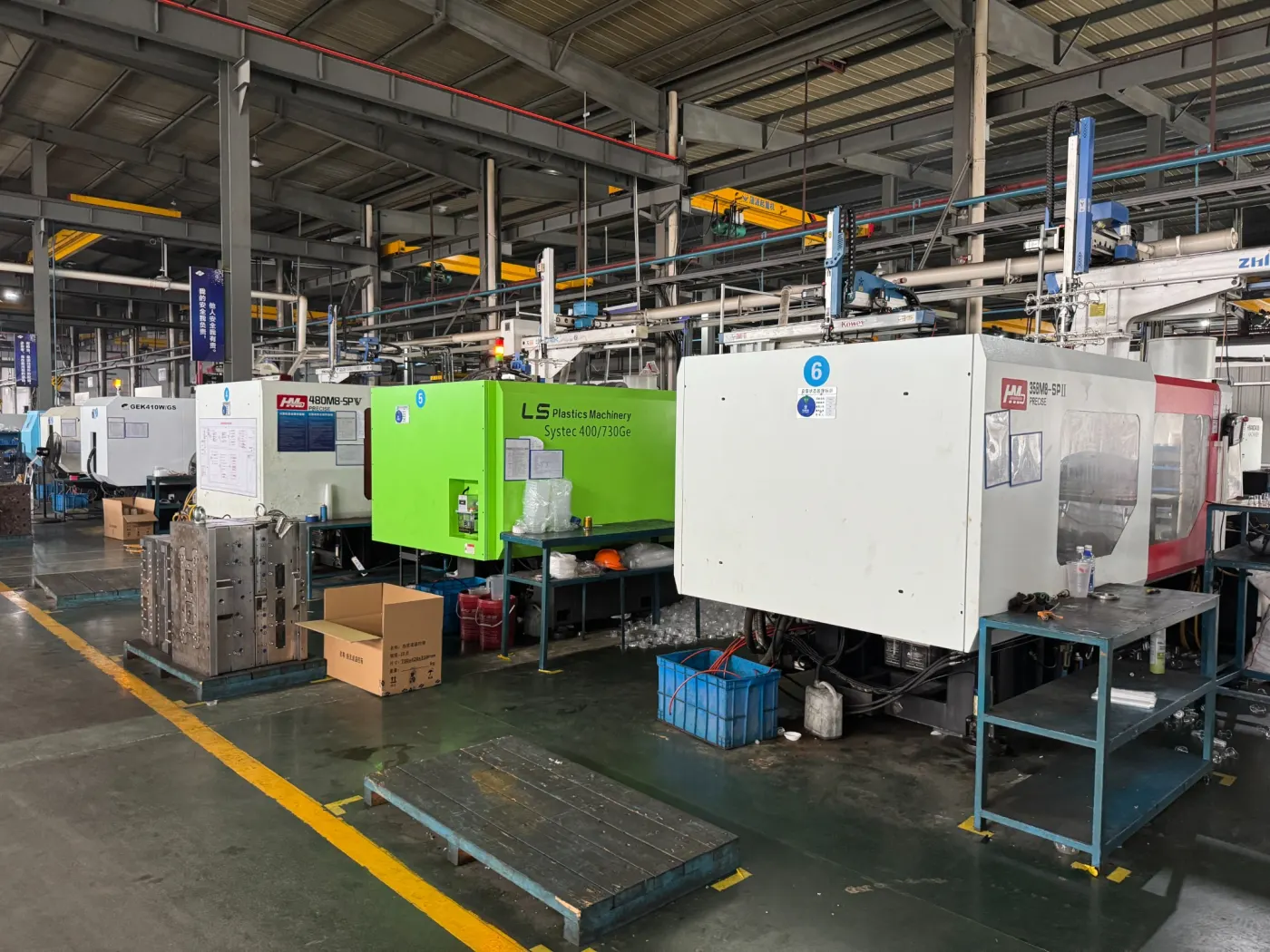
Mould · machine · robot · auxiliaries
A complete IML production line is not a shopping list of unrelated equipment. The container, label, mould, high-speed injection machine, robot, cooling and acceptance method must operate inside the same production window. Hengqi coordinates these interfaces around the buyer's real product and output target.
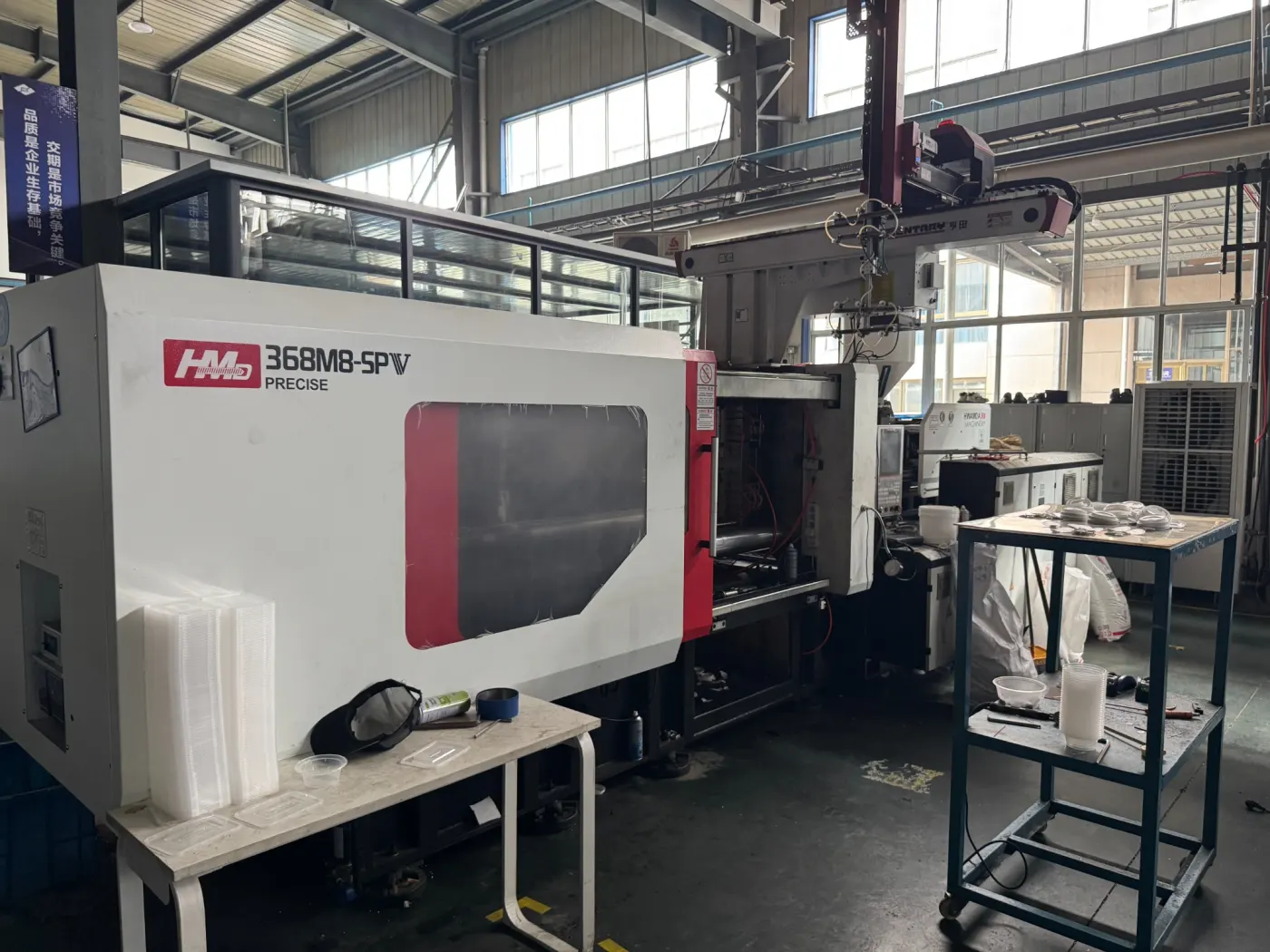
Complete line architecture
Every module has its own specification, but the interfaces decide whether the line can produce stable parts. The review begins with the product and works outward to equipment, utilities, trial conditions and evidence.
The product, resin, wall thickness, label area, cavity count, cooling, hot runner and ejection concept define the tooling—not a generic catalogue specification.
Clamping force, shot size, injection speed, platen and tie-bar space, mould opening stroke and control interfaces are checked against the approved mould.
Label magazine, static control, vacuum pickup, cavity access, take-out path and cycle timing are matched to the actual container and mould layout.
Chiller capacity, water flow, air supply, dryer, loader, mould-temperature control and material handling are included where the process requires them.
Machine settings, cooling, label placement, ejection and robot motion are tuned as one connected window rather than optimized by separate suppliers in isolation.
The agreed product, resin and label are used to verify cycle, cavity balance, part weight, dimensions, appearance, label position and continuous operation.
Project delivery route
A turnkey proposal should make the assumptions visible. That lets the buyer compare output, process margin, scope, acceptance and service instead of comparing only the headline price of separate components.
Confirm the drawing or sample, resin, capacity, part weight, wall thickness, label specification, annual demand, shifts and target cycle. These inputs determine whether the requested output is technically and commercially realistic.
Review cavity count, projected area, shot weight, mould size, injection speed, cooling load and robot access together. A line proposal should leave operating margin instead of matching every component at its absolute limit.
The mould, hot runner, machine and robot teams align platen mounting, locating ring, nozzle, ejector, utilities, electrical signals, robot stroke and guarding before equipment is finalized.
Sampling uses the agreed resin and label where available. Trial records capture machine, mould and automation conditions so corrections are based on the real system instead of a single acceptable sample.
Product samples, settings, cycle records, inspection results, spare-part planning and operating guidance are reviewed before shipment. Final scope depends on the commercial agreement for each project.
External application references
These external reference videos show application directions, not Hengqi customer cases or universal specifications. Final cavity, cycle, machine and automation choices are defined by the approved project inputs.
A multi-cavity cup project used to discuss shot size, mould dimensions, take-out timing and expected output before the line is specified.
The label, mould, machine and robot timing must be validated together because a stable cup cycle is limited by the slowest connected operation.
A packaging application reference for label coverage, product handling, cooling, ejection and downstream stacking requirements.
Acceptance evidence
Acceptance is strongest when the product, resin, label, operating time and measured outputs are agreed in advance. The final checklist is project-specific, but it should connect product quality with the actual machine, mould and robot conditions.
Stable filling and cavity-to-cavity part-weight review
Agreed cycle recorded with machine, cooling and robot conditions
Label position, wrinkles, bubbles, pickup and release checked
Critical dimensions, rim roundness, lid fit and stacking verified
Robot clearance, product take-out and label reload observed
Water, air, electrical and communication interfaces confirmed
Trial settings, sample set and correction record prepared
Recommended spare, wear and maintenance items identified
Information for a useful proposal
The earlier these inputs are available, the more accurately Hengqi can match the mould, machine, automation and utilities—and identify which assumptions still require a trial.
Connected resources
Choose the container, cup, bucket or box application first.
Review pageCheck shot, clamp, platen, speed and automation interfaces.
Review pageUnderstand which connected factors determine a practical cycle.
Review pageSee how melt delivery and cavity balance are integrated.
Review pageCompare product applications and recorded mould trials.
Review pageFollow the controlled route from product review to samples.
Review pageBuyer FAQ
The scope can combine the production mould, hot runner, high-speed injection machine, IML robot, label handling, chiller, material handling, air and water requirements, trial validation and handover support. The final included equipment is listed in the project quotation.
Yes. Send the machine model and data for platen size, tie-bar distance, shot capacity, injection speed, opening stroke, ejector, nozzle and robot interface. Engineering then checks whether the machine provides a practical operating window for the proposed mould.
No. A responsible cycle target depends on the final product, resin, part weight, wall thickness, cavity count, machine, cooling, label and robot timing. It should be confirmed through an agreed production trial rather than treated as a universal promise.
The parties should agree the product, resin, label, sample quantity, continuous-run duration and inspection criteria first. Acceptance can then record cycle, part weight, cavity balance, dimensions, appearance, label position, lid fit, stacking, automation and process settings.
Installation, remote support, training, spare-part planning and on-site service can be defined in the commercial scope. Service location, travel conditions, response expectations and buyer responsibilities should be confirmed before the order.
Project review
Send the drawing or sample, material, label, output and factory conditions. Hengqi will identify the mould, machine, robot and auxiliary inputs required for a proposal.