High-output beverage lid tooling

12CAV Coffee Cup Lid Mould with Independent Inserts

Hengqi develops 12CAV coffee cup lid moulds for buyers who need higher lid output without losing rim fit, flatness or maintenance control. Send the lid drawing plus physical cup-and-lid samples so cavity balance, venting, cooling, stacking, ejection and independent insert service access can be reviewed before quotation.

Typical product

PP or PS takeaway coffee and beverage lids

Cavity direction

12 cavities for stable, high-output lid production

Key interface

Matching cup rim, snap fit and sealing relationship

Service strategy

Independent inserts for cavity-level correction and maintenance

Runner option

Valve gate or hot runner matched to the lid

Machine match

Confirmed from shot size, tie bars and cycle target

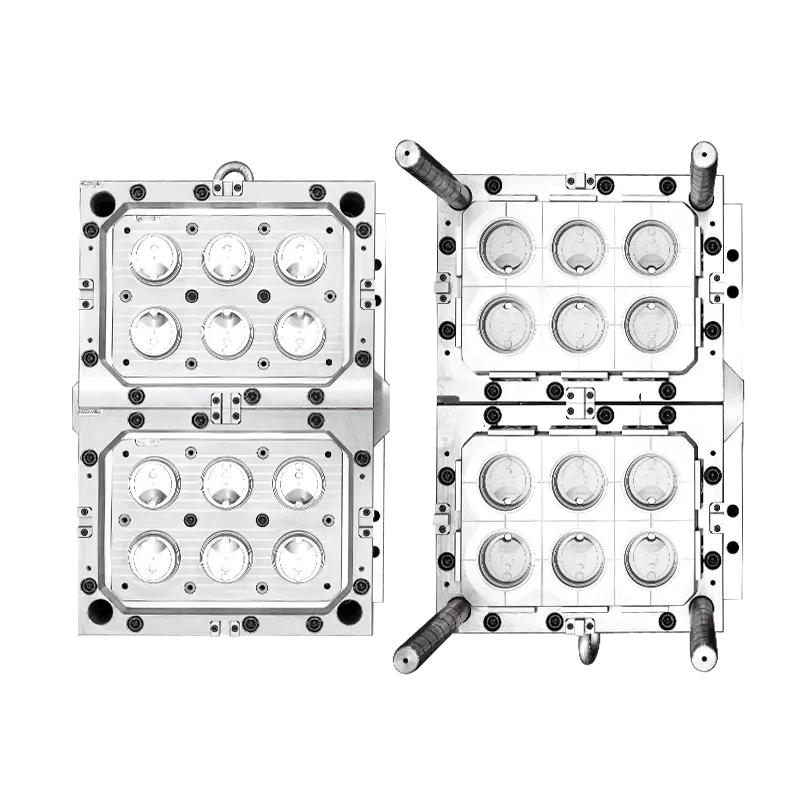
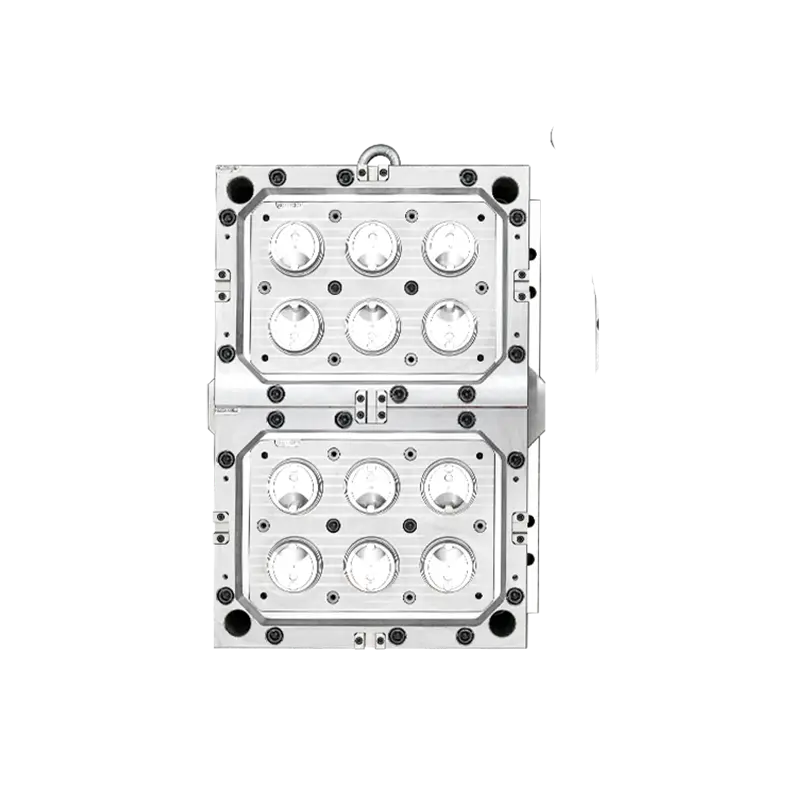
12CAV coffee cup lid mould with independent inserts
Real Hengqi 12CAV coffee cup lid tooling reference. Insert layout, hot runner and cooling are customized to the lid and production target.

Suitable buyer applications

Disposable lid manufacturers with stable high-volume orders

Coffee chain packaging suppliers needing repeatable rim fit

Takeaway beverage packaging converters upgrading from 8CAV tooling

Factories that need cavity-level service access for long production runs

03 / Visual engineering story

See how product requirements move through the mould project.

Each stage below pairs the engineering decision with a real product, tooling or factory image. This makes it easier to understand what Hengqi will review and manufacture for the project.

Coffee cup lid mould with multiple cavity inserts
Coffee cup lid mould reference showing the high-cavity insert layout.

01 / Lid tooling structure

Independent inserts make 12CAV lid tooling easier to control and maintain.

The insert strategy is reviewed around the cup rim, cooling channels, venting and later service access. A modular layout can make local fit correction and cavity maintenance more practical without weakening the mould structure.
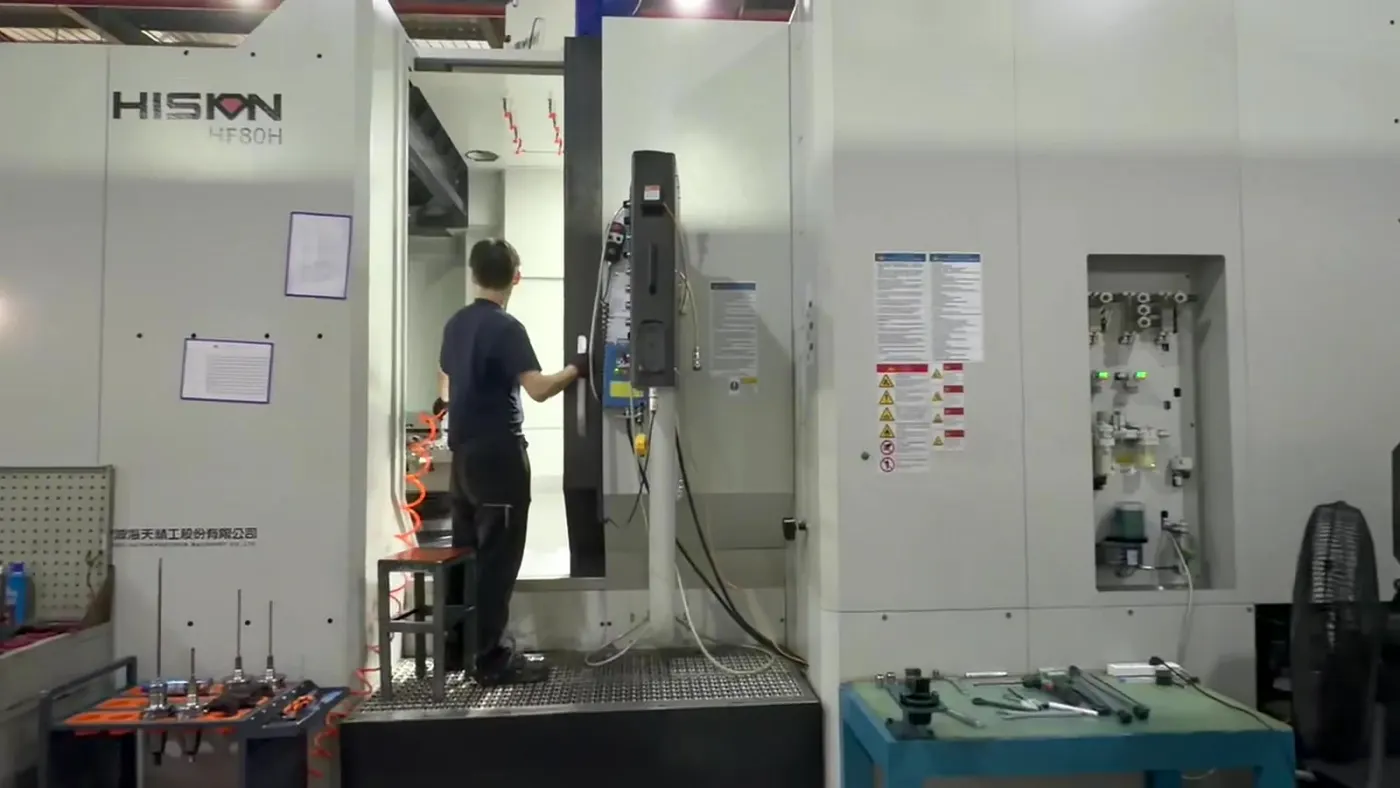
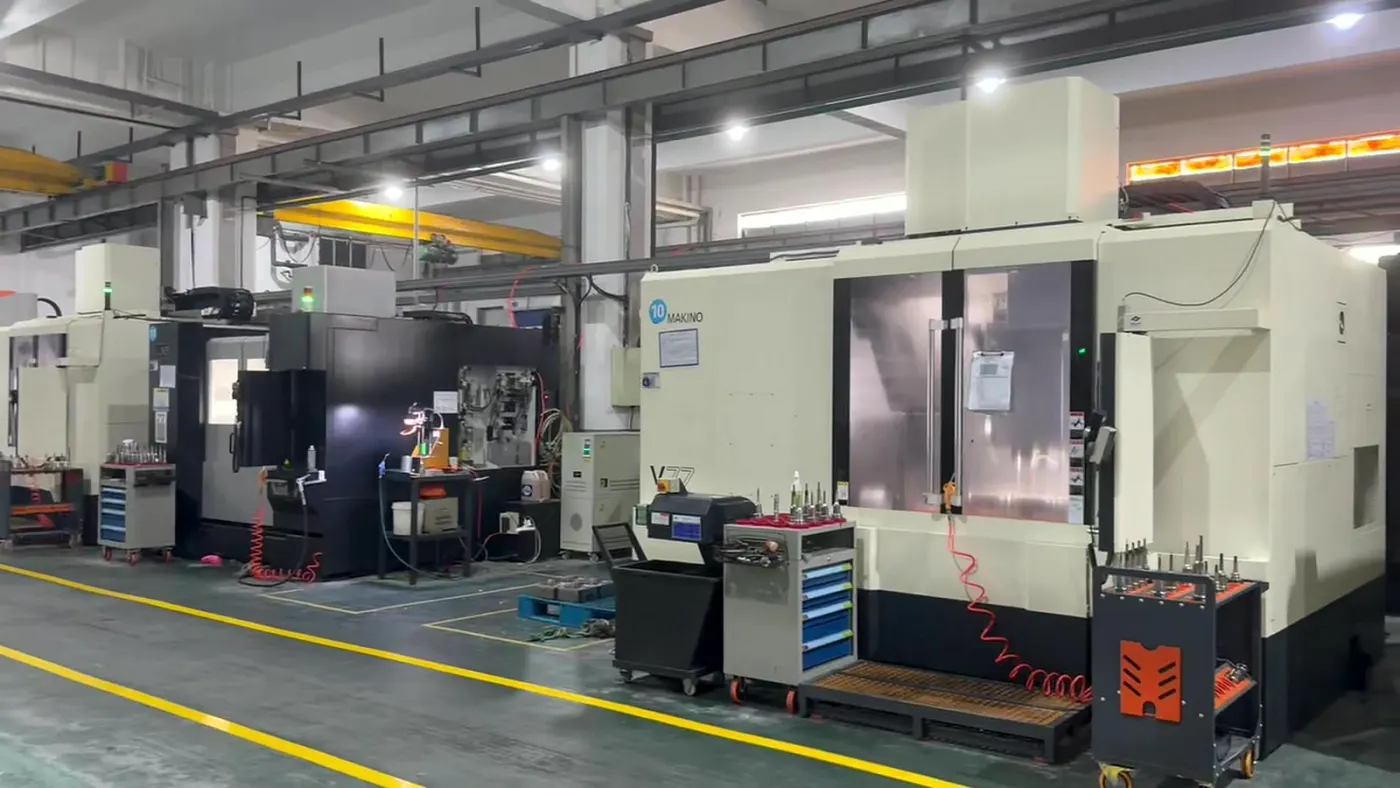
Five-axis machining center used for mould components
Five-axis machining reference from Hengqi's mould manufacturing route.

02 / Precision machining

Rim, vent and thin local features depend on repeatable insert geometry.

Precision machining protects the relationship between the snap ring, sipping features, vents and assembly interfaces. Stable insert geometry reduces correction work when the matching cup is checked during trial.

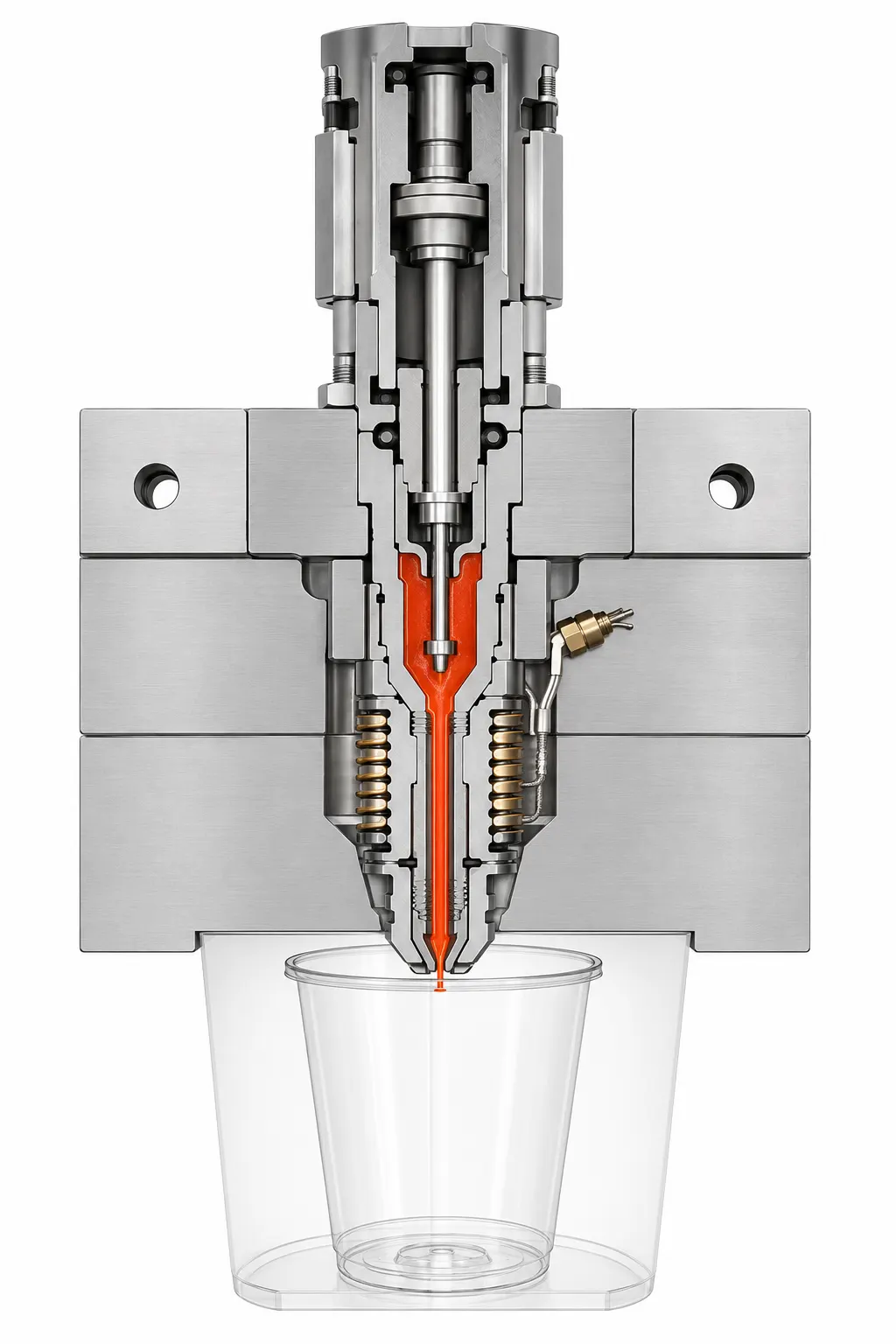
Valve-gate hot runner system section
Valve-gate hot runner reference used to explain melt delivery and service access.

03 / Hot runner & balance

Melt delivery is matched to the cavity layout and lid filling sequence.

The runner route, gate selection and temperature control are reviewed with the thin lid geometry. The objective is consistent filling and weight across cavities while keeping gate appearance and maintenance access under control.

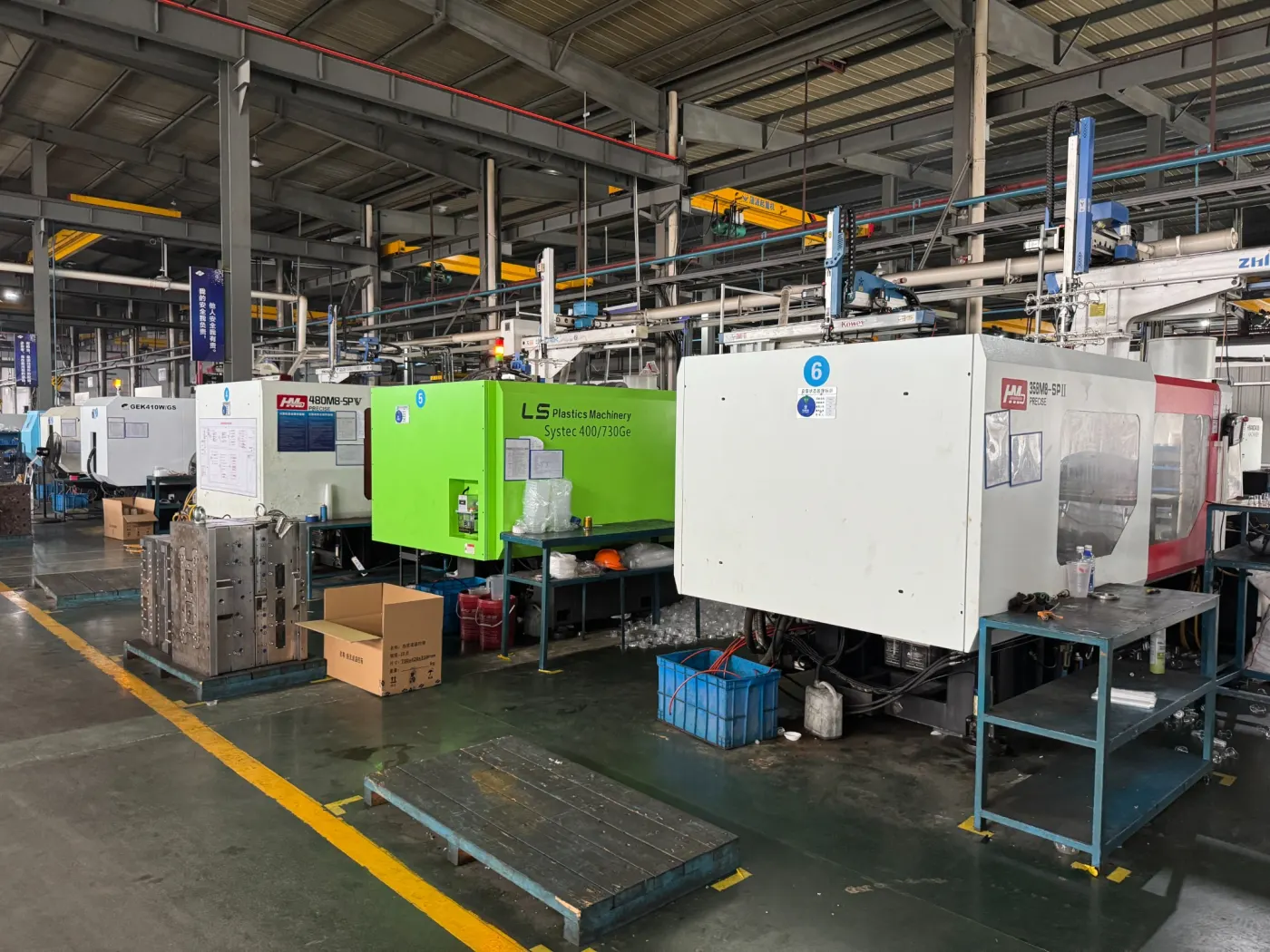
Injection mould trial machine line
Multi-machine trial capability for production-relevant mould validation.

04 / Trial & fit validation

The mould is accepted with the real cup, not from the lid dimensions alone.

During trial, all 12 cavities are checked for flatness, rim fit, release force, sip and vent completion, stacking and ejection. Continuous running then confirms that the result remains stable beyond the first few shots.

01 / Engineering review

The mould proposal starts with production conditions—not only product shape.

A useful tooling proposal must connect the product, resin, machine, automation and output target. These review points make the quotation more specific and reduce correction loops after steel is ordered.

Cup rim and lid fit

The matching cup rim, snap ring, sealing surface and release force are reviewed together across the full 12-cavity layout. A lid drawing alone may not reveal the real fit requirement.

Flatness after cooling

Gate position, wall distribution and cooling layout are reviewed to reduce warpage that can weaken sealing, stacking or automatic packing at higher output.

Sip opening and venting

Drink opening geometry, vent features and thin local sections are checked for complete filling, demoulding and consumer use.

Cavity balance

Runner geometry, gate selection and cooling consistency are matched to the 12CAV layout so lid weight, vent filling and rim fit stay stable across cavities.

Ejection and stacking

The ejector route is reviewed around lid flexibility, deformation risk, robot pick-up and downstream stacking requirements.

Maintenance access

Independent inserts can simplify cavity service, reduce correction time and protect uptime when a rim, vent or drinking-slot detail needs local maintenance.

02 / Tooling evidence

Review the mould and manufacturing route before starting the project.

The images below are real Hengqi tooling or production references. They show the type of mould structure and manufacturing capability used for application review; the final tooling layout is customized to the actual product.

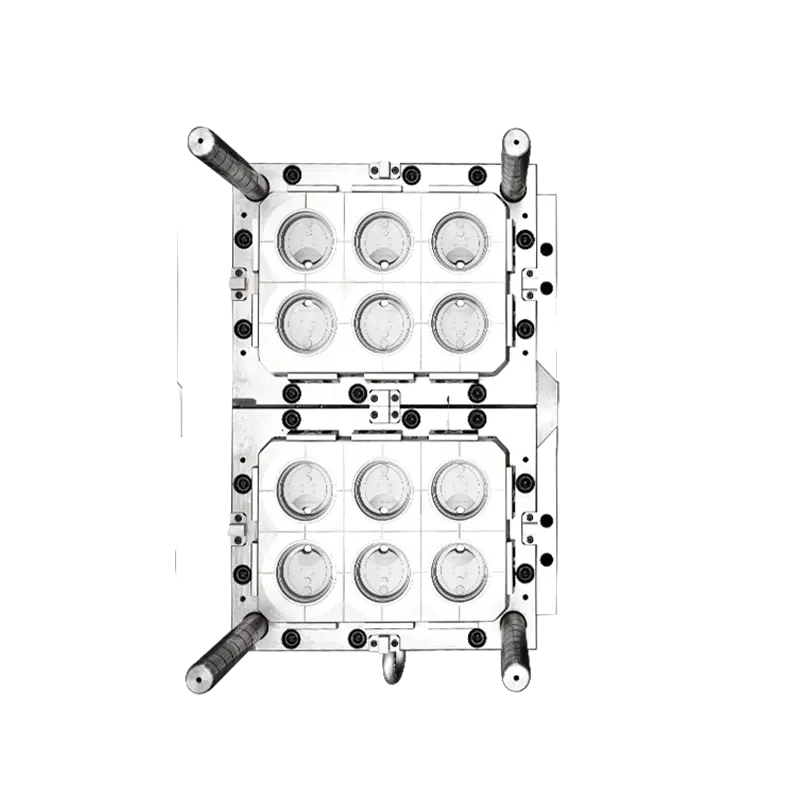
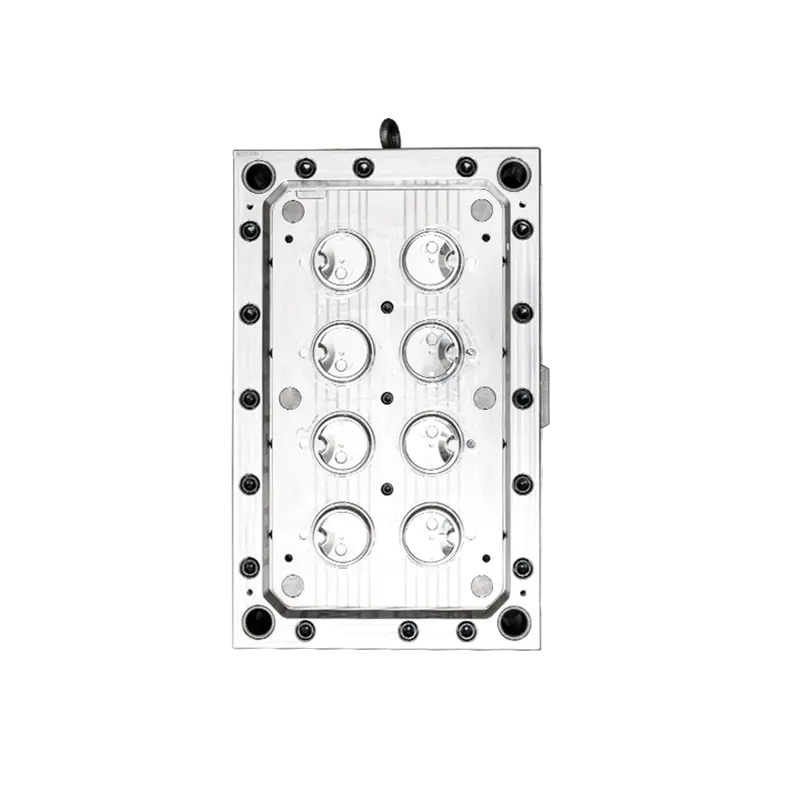
Coffee cup lid mould core-side reference
Core-side reference for insert, cooling and ejection review.
Coffee cup lid mould cavity-side reference
Cavity-side reference for gate, surface and rim geometry review.
Precision machining center used for mould finishing
Precision finishing supports repeatable inserts and assembly interfaces.

04 / Project workflow

Every step should answer a buyer acceptance question.

The project route connects product approval, design, steel, machining, assembly and trial. Exact timing depends on mould complexity, cavity layout, steel and customer approval speed.

  1. 01

    Sample & DFM review

    Confirm matching cup rim, lid dimensions, resin, annual output, machine capacity, maintenance expectation and downstream handling.

  2. 02

    Mould structure release

    Define cavity layout, insert strategy, hot runner, cooling, venting and ejection before steel order.

  3. 03

    Machining & assembly

    Manufacture inserts and mould components, then verify fitting, cooling and moving interfaces.

  4. 04

    Fit & production trial

    Trial with the matching cup and review 12-cavity balance, flatness, sealing fit, stack release, ejection and cycle window.

05 / Trial acceptance

Agree on the checks before the mould trial.

Acceptance should reflect the product's actual job on the filling, packing or consumer-use line. Final criteria are confirmed with the buyer before trial.

Fit and release force on the buyer's matching cup
Lid flatness and deformation after cooling
Sip opening, vent and local feature completeness
12-cavity weight and dimension consistency
Stack release and automatic handling behavior
Stable ejection without whitening or distortion
Independent insert access and spare-part plan
Surface, embossing and texture appearance
Agreed continuous trial and sample set

Information needed for quotation

Better input creates a more practical mould proposal.

A drawing is best, but a clear sample photo and basic production information are enough for the first engineering review.

Lid CAD drawing or clear sample photos
Physical matching cup and lid samples when possible
PP, PS or other target resin grade
Target annual or hourly output for the 12CAV line
Injection machine model, tonnage and shot size
Desired cycle target and automation method
Cavity maintenance and spare insert expectation
Sip opening, vent, embossing and texture requirements
Fit, leak or stacking acceptance method
Send details to Bryan

06 / Buyer questions

Questions to resolve before tooling approval.

These answers provide a practical starting point. Final specifications are based on your drawing, samples, resin, machine and production targets.

Should I send the matching cup as well as the lid?

Yes. The actual cup rim is the best reference for snap fit, sealing, release force and tolerance review across all 12 cavities. If physical samples are unavailable, send both cup and lid drawings.

When is a 12CAV coffee cup lid mould the better choice?

It fits buyers with stable demand, suitable machine capacity and automation that can handle the higher output. If production demand is uncertain or product variants change often, an 8CAV mould may be easier to manage.

Can independent inserts reduce maintenance time?

They can make local cavity service and later fit correction easier, especially when one rim, vent or drinking-slot detail needs attention. The insert layout must still protect cooling, strength and dimensional consistency.

What should be checked during the mould trial?

Check lid fit on the real cup, flatness, sip and vent features, 12-cavity weight balance, stack release, ejection marks and stability during continuous production.

What information helps quote a 12CAV lid mould accurately?

Share lid and cup drawings or samples, resin grade, lid diameter, target output, injection machine data, take-out automation, cycle target and the required fit or leak test.