Production mould technical dossier

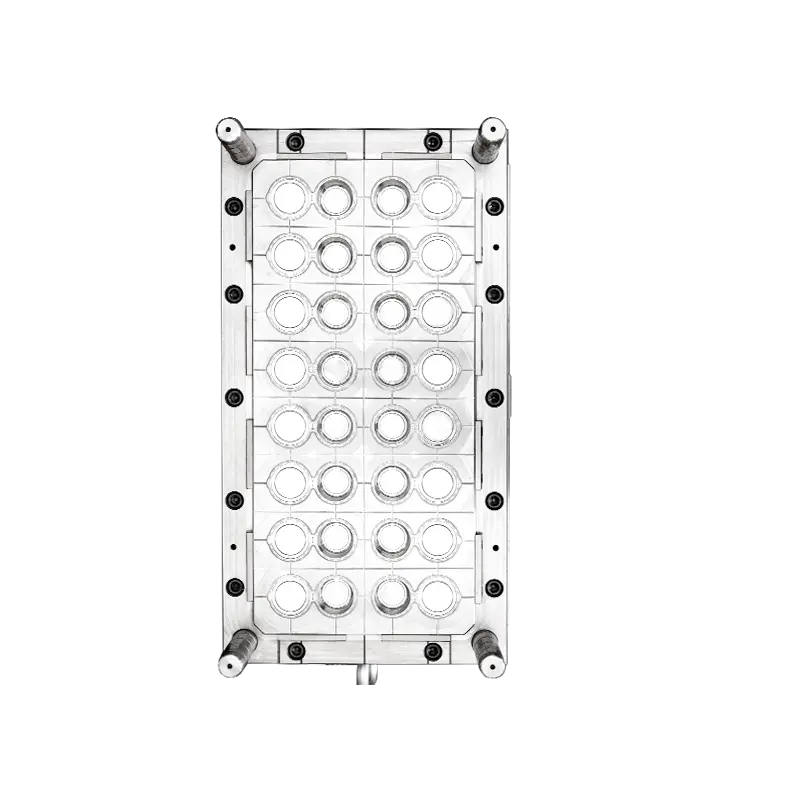
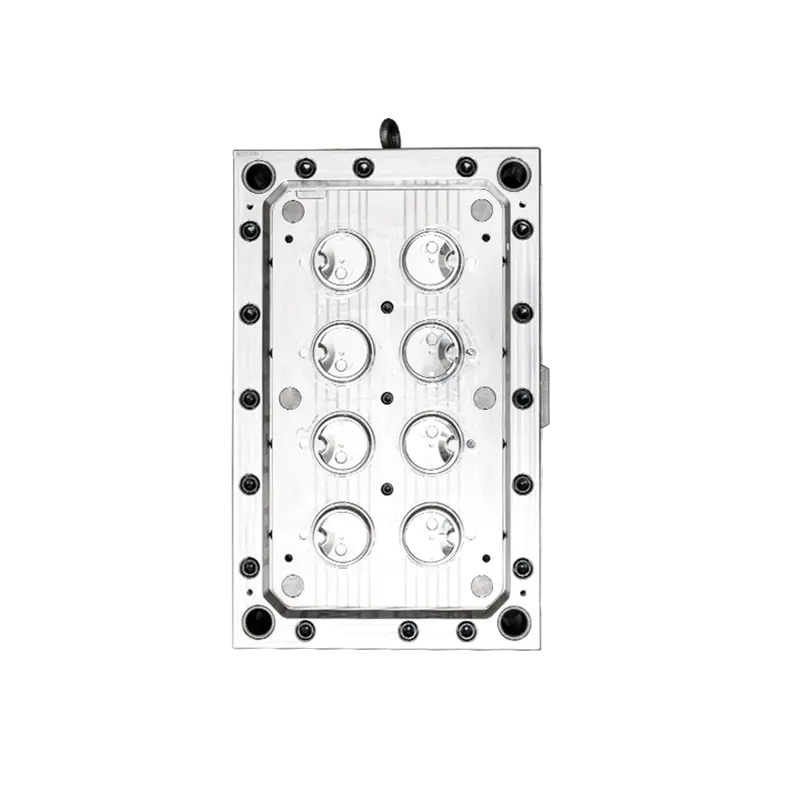
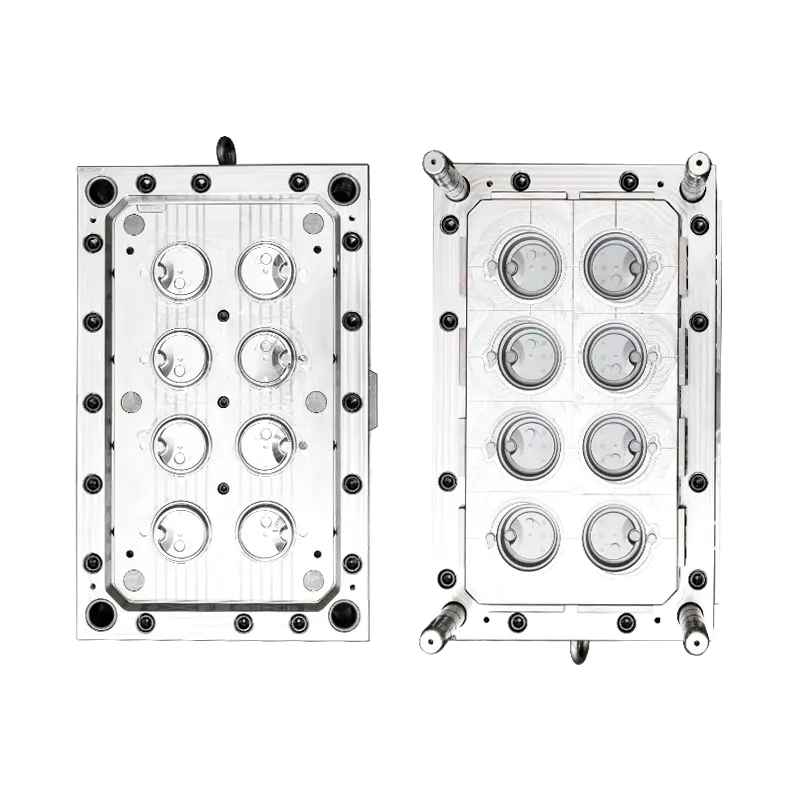
8CAV coffee cup lid mould

8CAV coffee cup lid mould for disposable PP/PS drink lids and connected cover structures. The tooling is matched to a 260T high-speed machine, supports needle valve or needle point hot runner systems, and targets about 4.5 seconds per cycle depending on resin, part weight and line automation.

Typical product

8CAV coffee cup lid, disposable PP/PS drink lid, connected cover lid

Machine matching

260T high-speed injection molding machine

Cycle time target

About 4.5 seconds per shot, subject to resin and lid structure

Cavity configuration

8 cavities (layout can be re-evaluated for output or machine limits)

Main resin options

PP and PS (final shrinkage setting based on selected grade)

Acceptance focus

Cup-rim fit, lid flatness, sip opening completion, vent filling, stack release and cavity-to-cavity weight balance

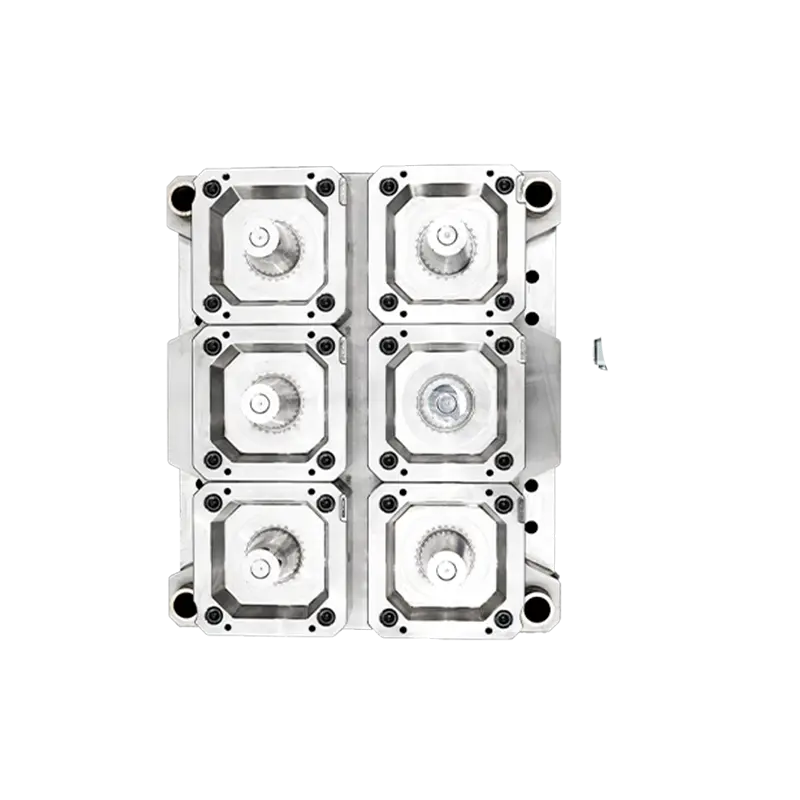
8CAV coffee cup lid mould
Real Hengqi tooling or product reference. Final cavity layout and structure are customized to the approved drawing and production target.

Hengqi proof system

The product page should also prove who can deliver the mould.

Buyers do not evaluate the product concept alone. They also need evidence that the supplier can design, machine, measure, trial and support the mould through production acceptance.

Hot runner and multi-cavity flow balance are reviewed around the real product and output target.

CNC, EDM, component fitting and CMM inspection are connected through the same manufacturing route.

Engineering support continues from drawing review and trial correction to production and after-sales response.

01 / Engineering review

The mould proposal must match the real production line.

Product geometry, resin, machine, cycle, lid or label and automation are reviewed as one system. The sections below explain the project-specific decisions buyers should confirm before steel is released.

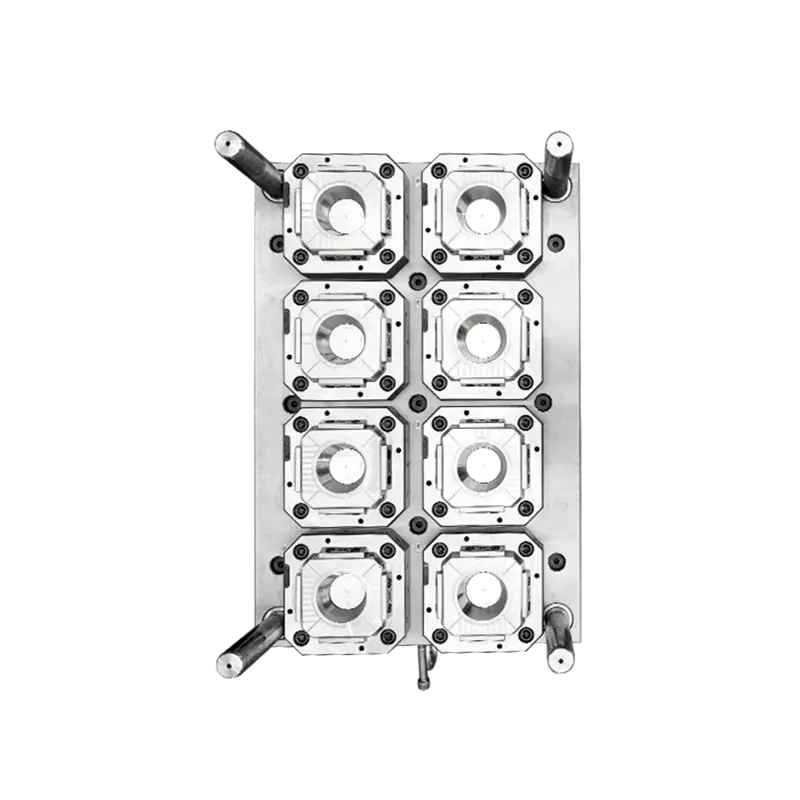
8CAV coffee cup lid mould

Engineering checkpoint 01

Coffee cup lid mould for high-volume drink packaging

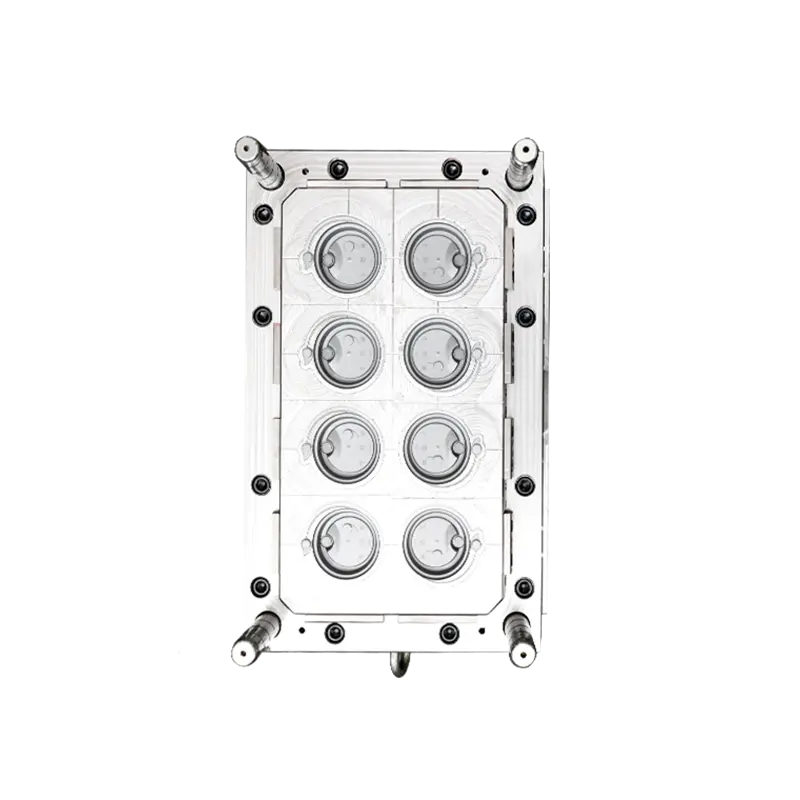
This 8CAV coffee cup lid mould is built for disposable drink lids where sealing fit, flatness and repeatable output matter in daily production.

The page specification is based on a 260T high-speed injection molding machine with a cycle target around 4.5 seconds, depending on lid weight, resin and the final runner configuration.
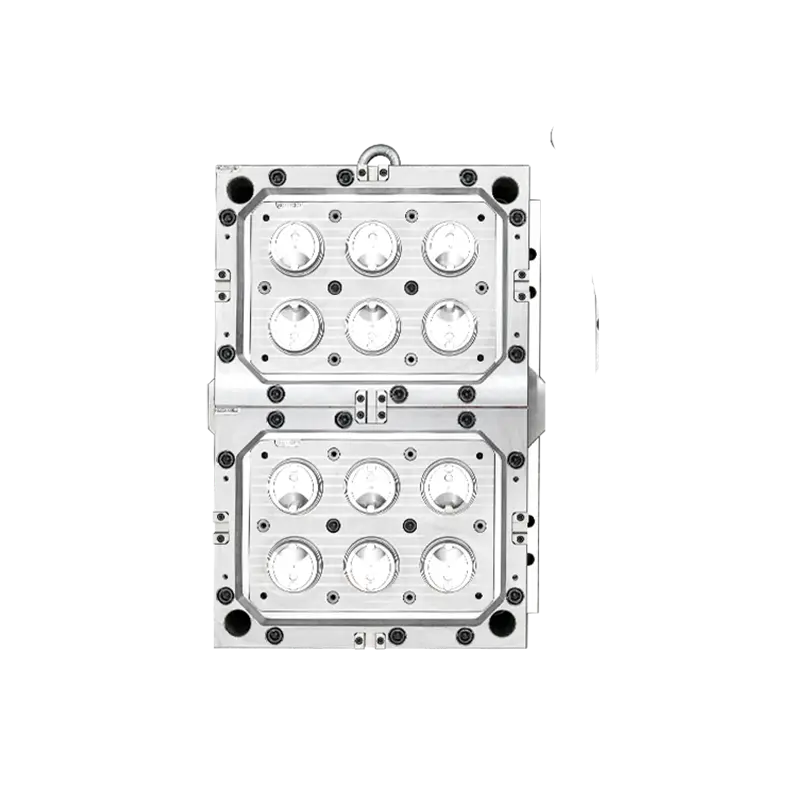
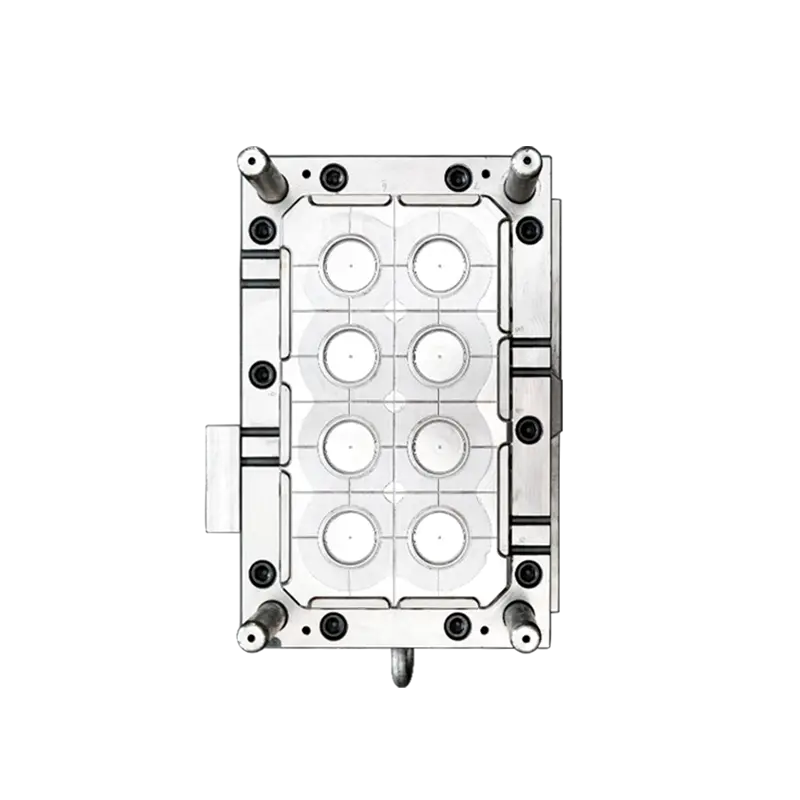
8CAV coffee cup lid mould

Engineering checkpoint 02

Design points that affect lid sealing reliability

Coffee cup lid tooling needs consistent cavity filling and stable cooling because small deformation quickly affects fit force, leak resistance and consumer drinking experience.

Before final design freeze, Hengqi reviews cup rim tolerance, lid stack dimensions and resin shrinkage so gate position, venting and ejection can support stable mass production.

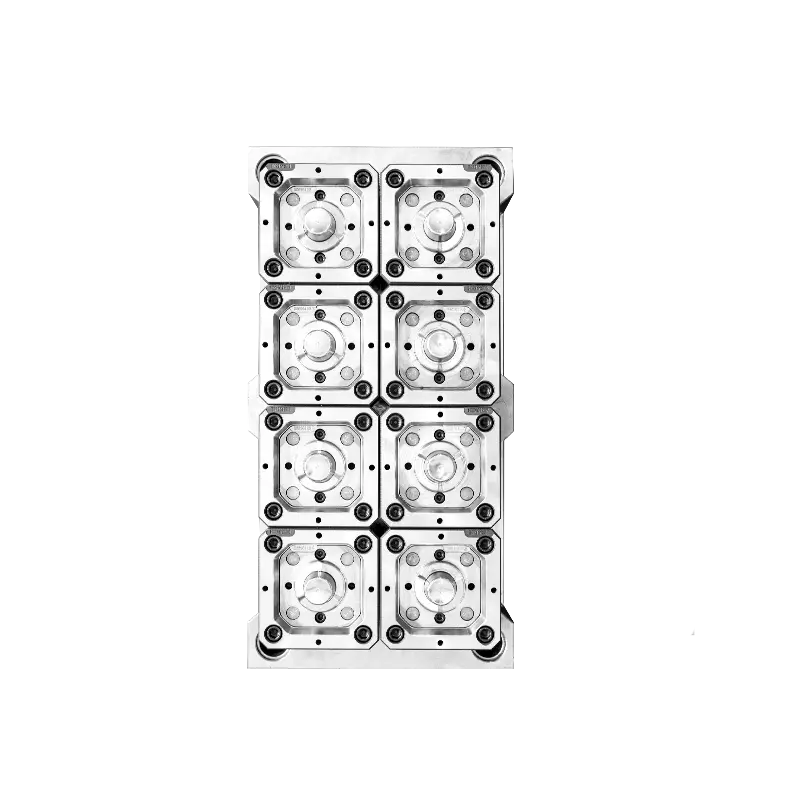
8CAV coffee cup lid mould

Engineering checkpoint 03

Procurement checks before ordering an 8CAV lid mould

Buyers should confirm whether the lid is for hot coffee, cold drink, vented straw-hole use, or connected cover packaging because each structure changes parting line, gate position and ejection design.

Hengqi can review your production target, lid sample, cup rim data and packing method before quotation so the mold specification supports real sealing tests instead of only nominal dimensions.

8CAV coffee cup lid mould

Engineering checkpoint 04

Trial acceptance for disposable drink lid production

A practical mould trial should use the buyer's real cup samples and target resin, then compare rim engagement, leak behavior, sip-opening fill, vent consistency and stack separation across all eight cavities.

For high-speed lid lines, Hengqi also checks ejection marks, lid whitening, cavity weight spread and whether the finished lids can be picked, nested and packed without deformation.

02 / Tooling specification

Compare the technical basis, not only the mould price.

These values describe the current reference project. Final steel, cavity count, runner, machine and cycle target are confirmed from the customer product and production plan.

Typical product

8CAV coffee cup lid, disposable PP/PS drink lid, connected cover lid

Machine matching

260T high-speed injection molding machine

Cycle time target

About 4.5 seconds per shot, subject to resin and lid structure

Cavity configuration

8 cavities (layout can be re-evaluated for output or machine limits)

Main resin options

PP and PS (final shrinkage setting based on selected grade)

Acceptance focus

Cup-rim fit, lid flatness, sip opening completion, vent filling, stack release and cavity-to-cavity weight balance

Useful RFQ data

Matching cup sample, lid drawing, resin grade, machine model, cycle target, robot/take-out plan and leak-test method

Front and rear mold material

Domestic or imported 2344/customer specified

Mold base material

P20/4Cr13/Customer specified

Runner

Needle Valve/Needle Point Hot Runner

Key structure

Balanced filling, lid sealing fit control, anti-deformation cooling layout, stable ejection

03 / Before shipment

Acceptance evidence should answer production questions.

The exact checklist is agreed for each project. These are the core records buyers normally use to confirm dimensions, function, output and correction closure before shipment.

View inspection process
01

T0 / T1 trial records

Record the trial setup, resin, machine, process window, visible defects and required corrections.

02

Dimensional inspection

Verify critical product and tooling dimensions against the approved drawing and agreed tolerances.

03

Part weight and wall thickness

Check shot-to-shot consistency, thin-wall distribution and deformation risk across representative samples.

04

Lid fit or sealing test

Review closure engagement, rim flatness, leak risk, opening force and stacking where the product requires it.

05

Cycle and continuous running

Confirm the practical cycle target under suitable resin, cooling, machine and automation conditions.

06

Final evidence package

Provide agreed samples, trial video, inspection results and correction records for customer confirmation.

04 / Quotation checklist

Send enough production data for a useful tooling proposal.

A drawing or sample is the starting point. Machine, resin, output, closure and acceptance details allow Hengqi to review cavity layout, steel, runner, cooling and automation with fewer assumptions.

Product drawing or physical sample

Capacity, dimensions and target part weight

Resin grade and food-contact requirement

Target cavity number and annual output

Injection machine model and tonnage

Expected cycle time and automation plan

Matching lid, label or sealing requirement

Acceptance standard and delivery schedule

Discuss this mould with an engineer.

Send your drawing, sample photos and production target. Hengqi will review the project scope before preparing the quotation.

Start WhatsApp review Send formal inquiry

05 / Buyer questions

Questions to resolve before quotation.

Can Hengqi make the lid mould according to my coffee cup rim size?

Yes. We check cup rim diameter and tolerance, sealing force requirements, and your lid sample or 3D drawing before finalizing cavity dimensions.

Is the 4.5 second cycle time guaranteed for every coffee cup lid?

No. The 4.5 second target depends on the final lid weight, material, cooling design, machine condition and automation setup.

What project information helps reduce trial and modification rounds?

Provide lid and cup drawings, target resin, machine model, expected monthly output, and any leak-test or drop-test standards. This helps lock design details early.

Which runner system is available for this coffee cup lid mould?

The mold can use needle valve or needle point hot runner systems, selected according to the product structure, gate position and customer production requirement.

How should buyers verify coffee cup lid fit before mass production?

We recommend checking the lid with actual cup samples, rim tolerance data, leak or tilt tests, stack height checks, and a pilot production trial before final mold acceptance.

What makes an 8CAV lid mould different from a simple prototype tool?

The production mould must control filling, cooling, venting, ejection and cavity balance at speed, so the final lid remains consistent across all cavities and not only on one sample cavity.