015 days
Design approval → in-house mould-base preparation
Production mould technical dossier
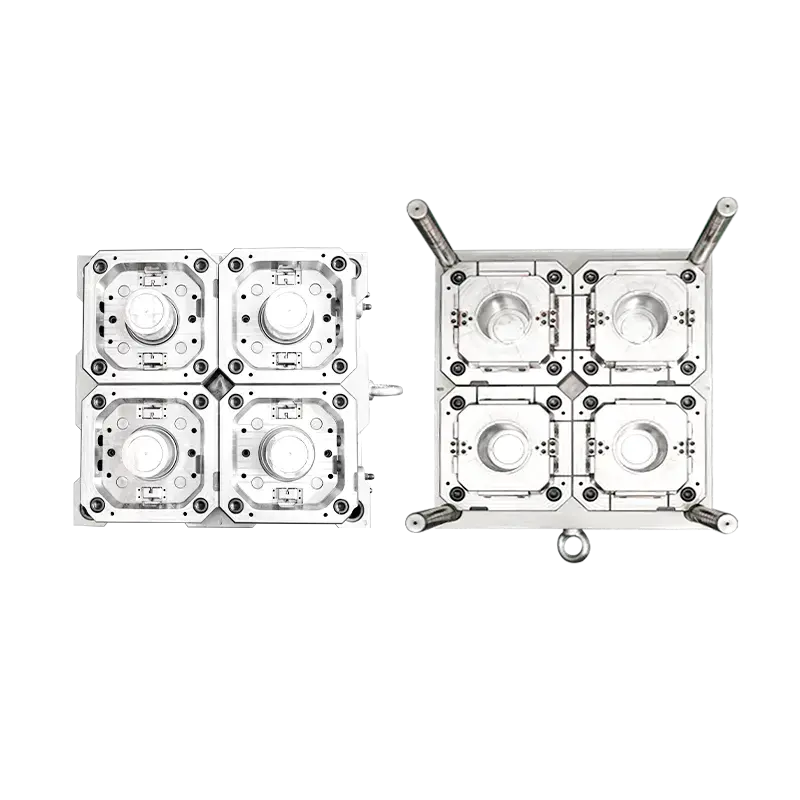
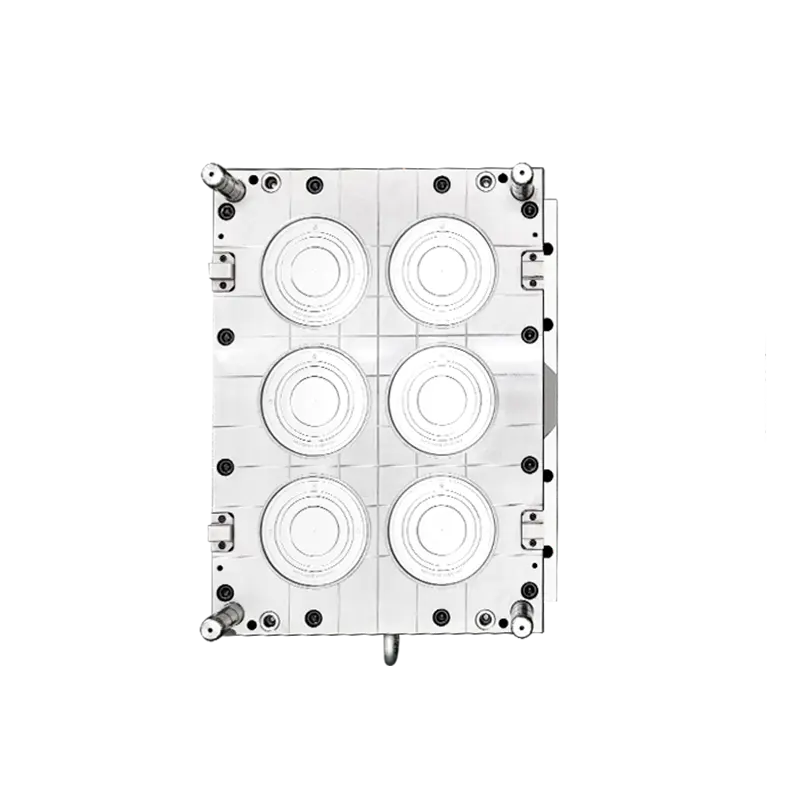
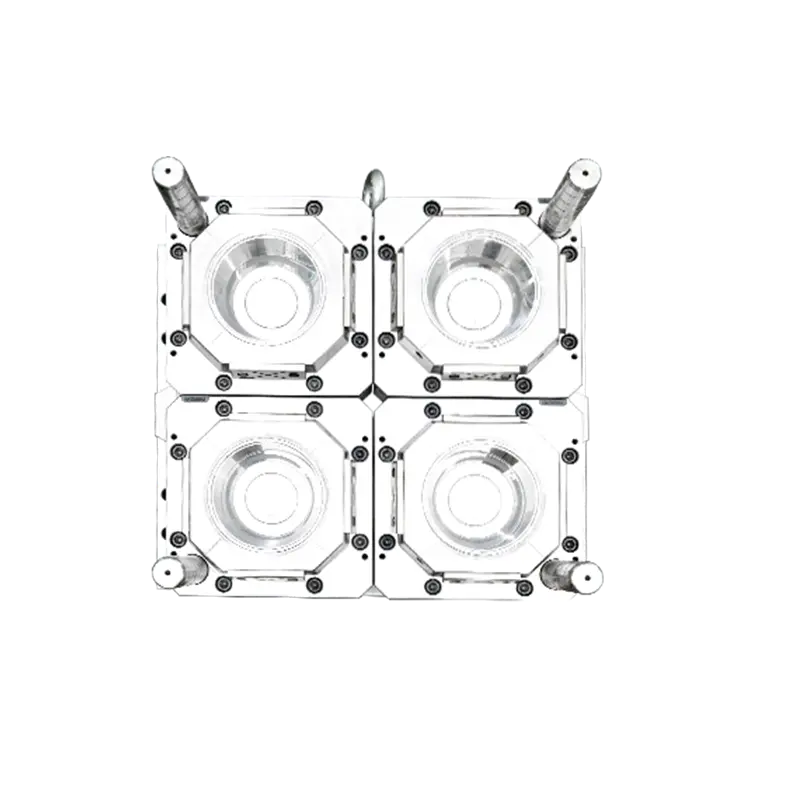
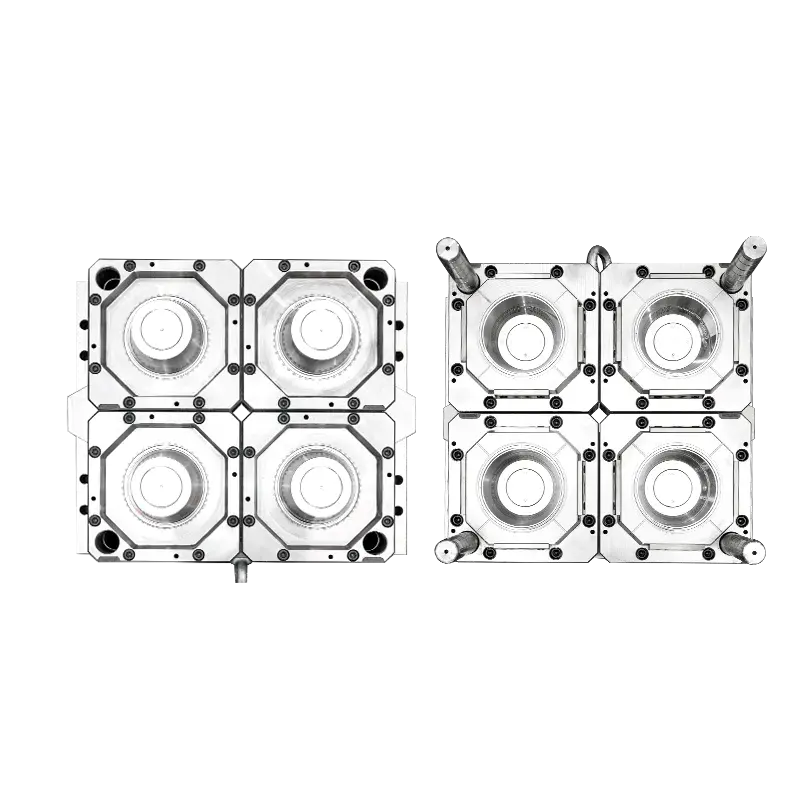
A four-cavity 1000ml round PP container mould for thin-wall lunch boxes and takeaway packaging. The reference project connects a 0.4mm wall target, valve-gated filling, lid and stacking control, high-speed machine matching and a complete 60-day design-to-trial journey.
Typical product
1000ml standard round lunch box, takeaway food container, meal prep container
Wall thickness target
Within 0.4mm, subject to resin, rib design and container structure
Reference cavity layout
4 cavities with split-core construction
Machine matching
350–380T high-speed injection moulding machine
Cycle time target
Within 6 seconds per shot under suitable production conditions
Core and cavity steel
1.2344 / S136 or customer-specified steel
Review the route from drawing and DFM through steel, trial and acceptance.
View evidenceSee how runner, gate and cavity balance are evaluated for repeatable filling.
View evidenceConnect product tolerances with CNC, EDM, inserts and component control.
View evidenceUnderstand dimensional verification and the inspection evidence available.
View evidence1000ml round PP container · visual project record
This is a reference schedule for a four-cavity thin-wall round container mould. Each phase connects a real manufacturing step with the engineering result required before the project moves forward. Final timing is confirmed from the approved product, steel route, hot runner, machine and acceptance plan.
Design approval → in-house mould-base preparation
Rough machining → groove and geometry milling
Precision machining → polishing and inspection
Assembly, fitting, cooling and hot-runner checks
Mould trial → validation and sample delivery
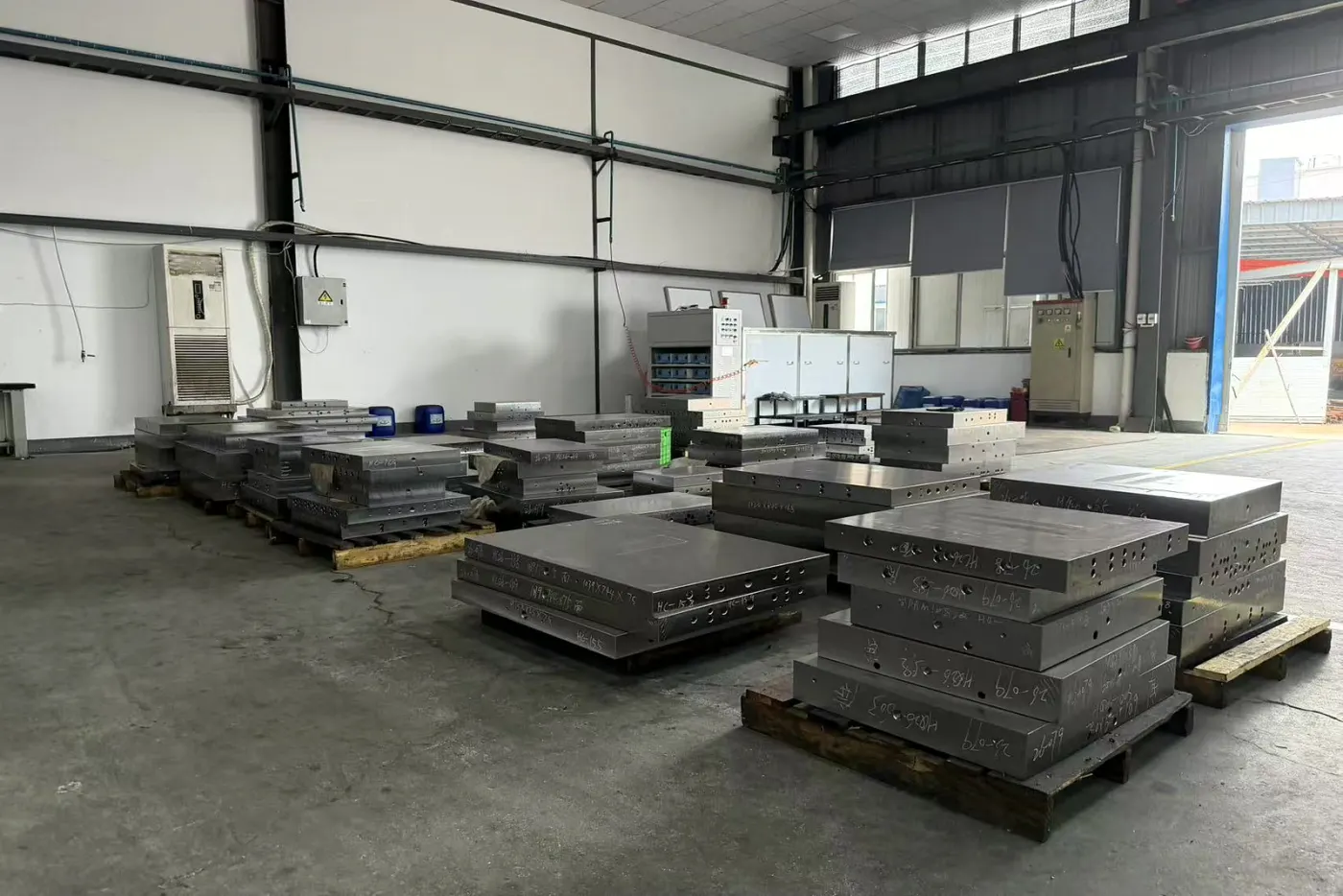
The container drawing, lid engagement, target weight, wall distribution, stack height and take-out method are reviewed as one production system. After release, Hengqi prepares the mould-base reference faces and hole layout in house so later machining starts from a controlled foundation.
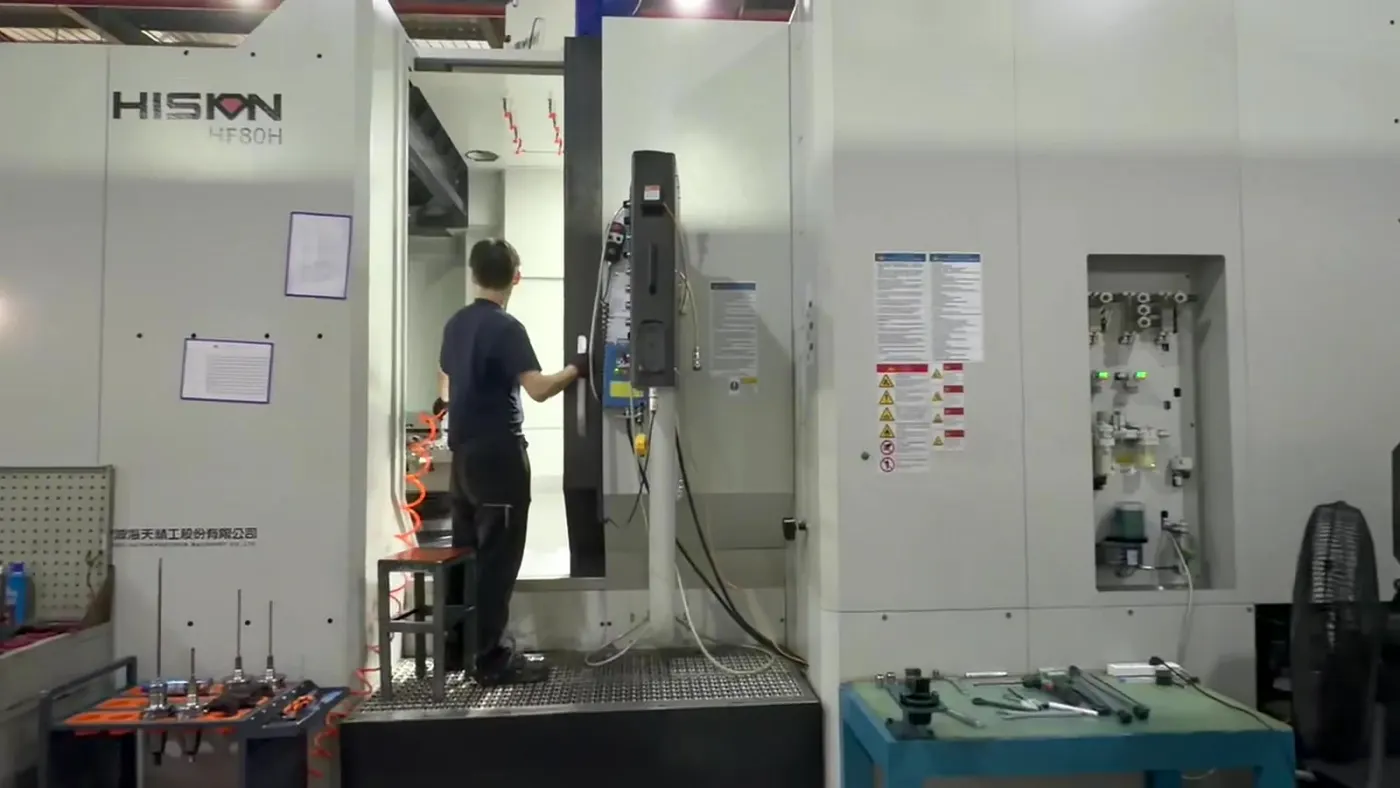
HISION five-axis machining supports groove milling, angled features and multi-surface contour work. Reducing repeated re-clamping helps protect the relationship between the thin-wall core, rim geometry and assembly interfaces before precision finishing.
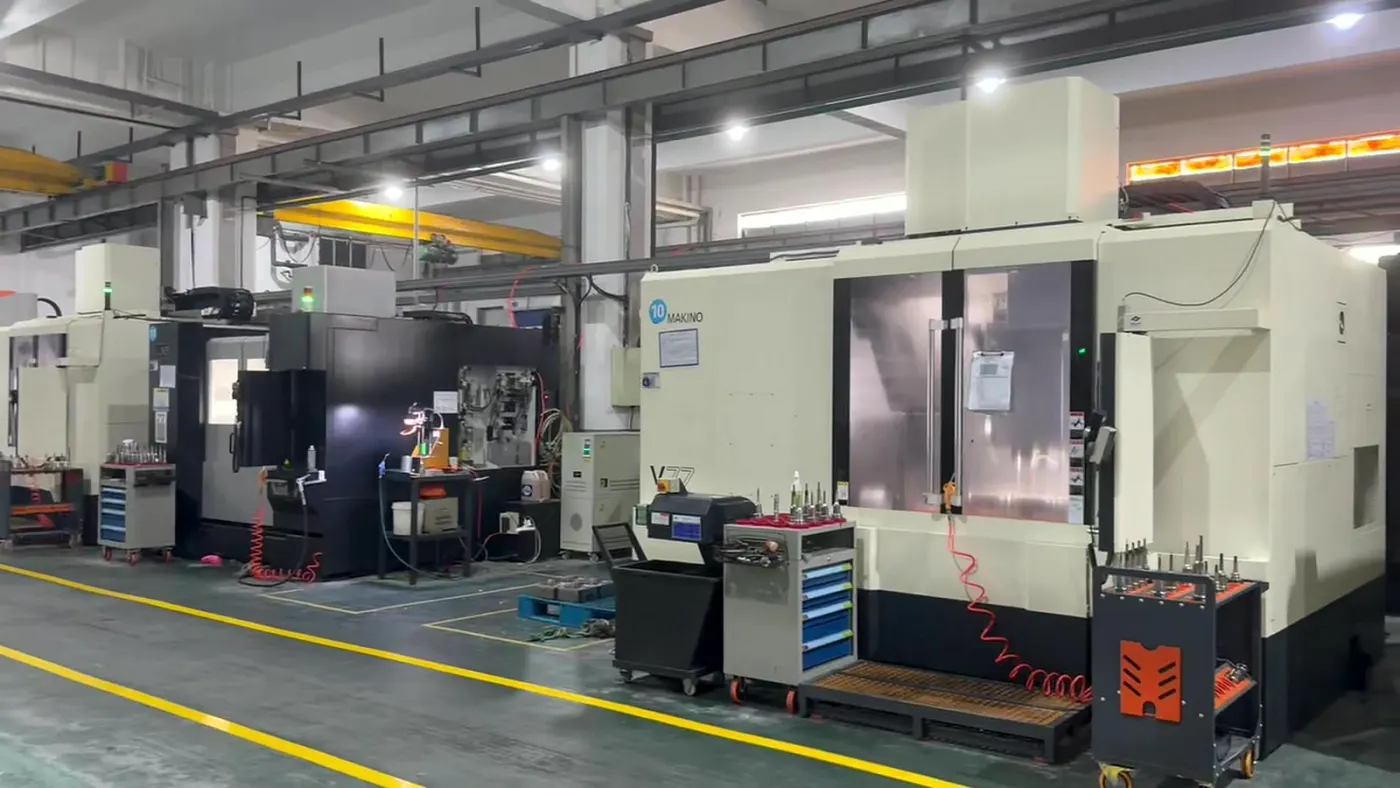
Makino, Mazak and OKK machining resources finish cores, cavities, inserts and assembly interfaces. On selected critical features, and where geometry and measurement conditions permit, machining control can be maintained within 3 μm to support fitting accuracy and repeatable cavity relationships.
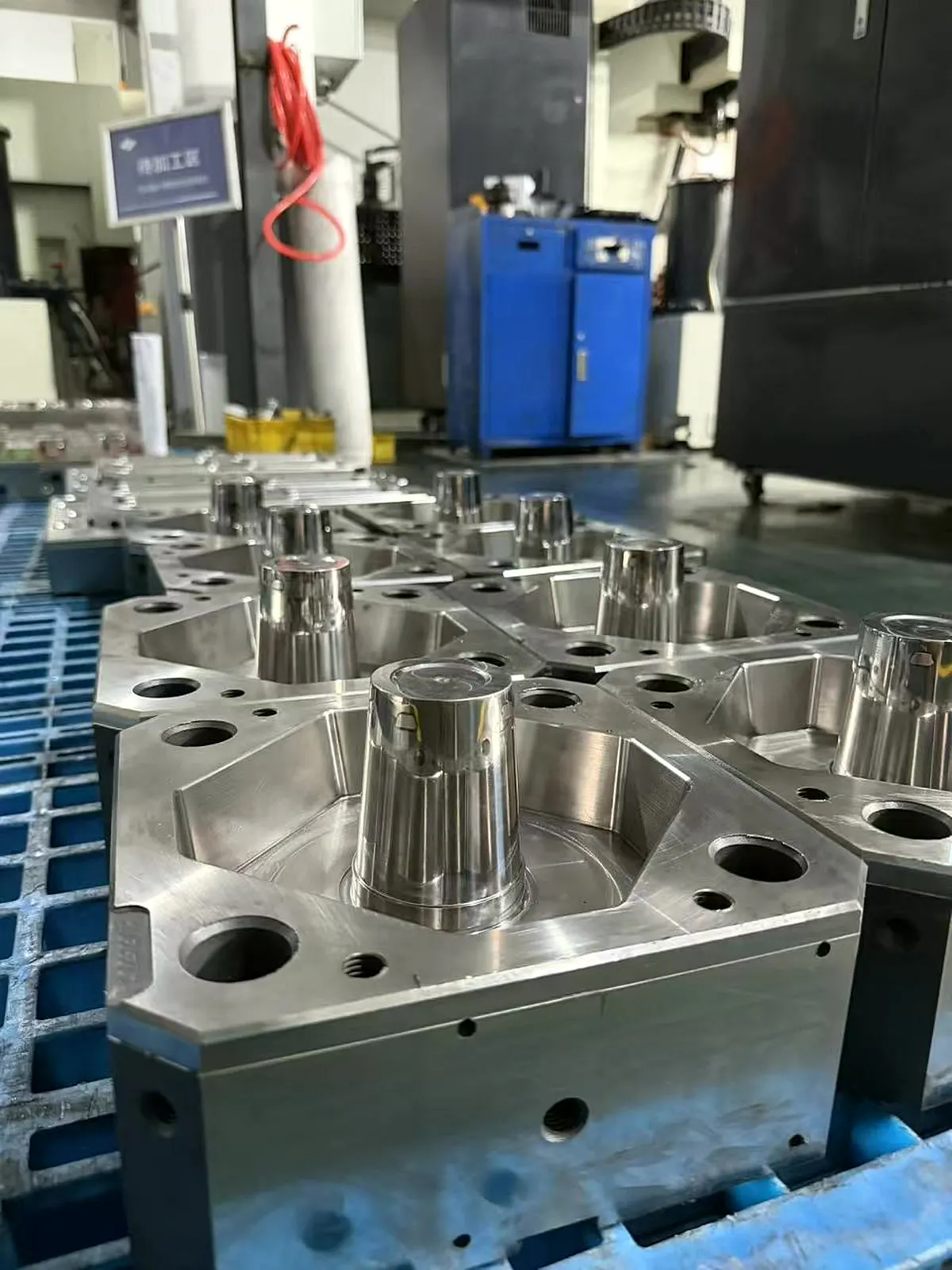
Critical dimensions and component relationships are reviewed before the mould is assembled. Measurement feedback is connected to the released drawing so any correction is completed while the individual insert or core remains accessible.
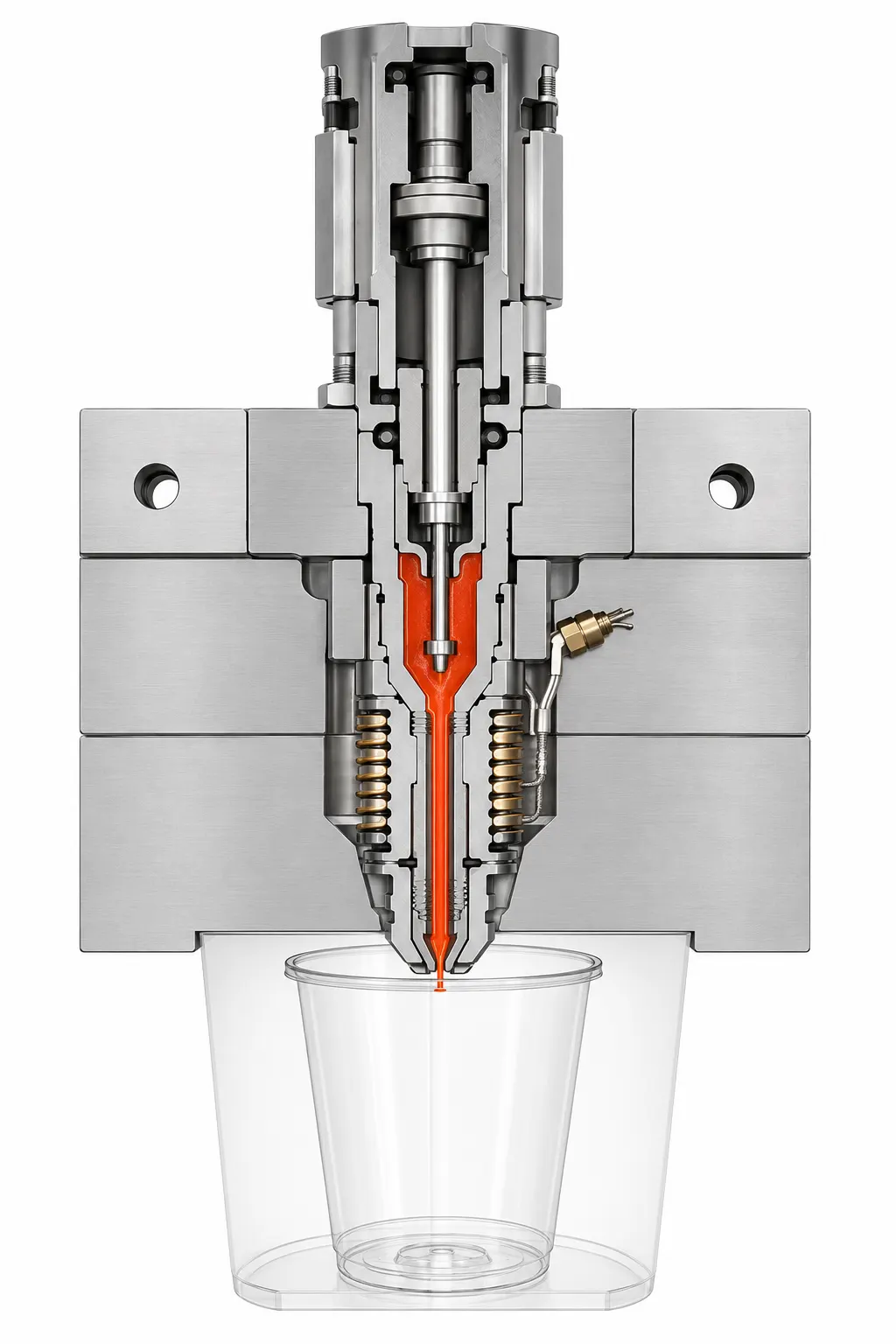
The cooling circuit, moving interfaces, ejector layout and valve-gate positions are assembled and checked together. Hengqi's MAX platform can be specified for direct engineering control, while YUDO or HUSKY systems can be integrated when required by the customer's plant standard.
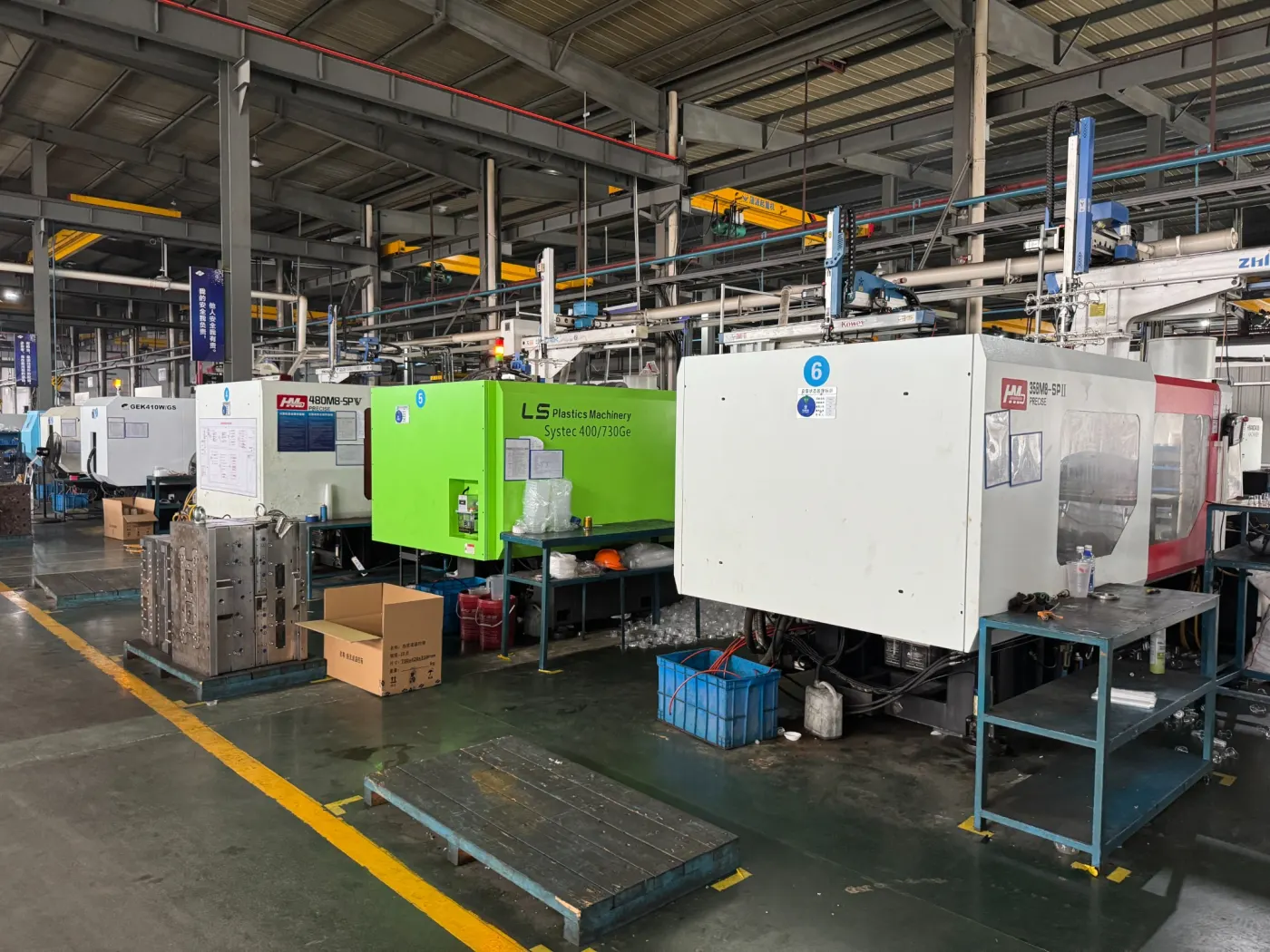
Trial work reviews filling balance, part weight, wall distribution, roundness, lid fit, stacking and the practical cycle under suitable resin, machine, cooling and automation conditions. Representative samples and the agreed evidence package are then prepared for customer confirmation.
Hengqi proof system
Buyers do not evaluate the product concept alone. They also need evidence that the supplier can design, machine, measure, trial and support the mould through production acceptance.
60days
A controlled route from DFM and design approval through machining, trial, correction and acceptance.
3μm
Precision inspection supports dimensional verification for inserts, cores, cavities and critical interfaces.
60+
Engineering, machining, assembly, trial and project support are connected throughout the tooling programme.
300
Production and support resources cover mould development, manufacturing, inspection and after-sales response.
Hot runner and multi-cavity flow balance are reviewed around the real product and output target.
CNC, EDM, component fitting and CMM inspection are connected through the same manufacturing route.
Engineering support continues from drawing review and trial correction to production and after-sales response.
02 / Tooling specification
These values describe the current reference project. Final steel, cavity count, runner, machine and cycle target are confirmed from the customer product and production plan.
Typical product
1000ml standard round lunch box, takeaway food container, meal prep container
Wall thickness target
Within 0.4mm, subject to resin, rib design and container structure
Reference cavity layout
4 cavities with split-core construction
Machine matching
350–380T high-speed injection moulding machine
Cycle time target
Within 6 seconds per shot under suitable production conditions
Core and cavity steel
1.2344 / S136 or customer-specified steel
Heat treatment
Vacuum hardening route confirmed before steel release
Mould base material
P20 / 4Cr13 / customer specified
Hot runner
Valve-gated system; Hengqi MAX, YUDO or HUSKY by project
Reference delivery
60-day design-to-trial project schedule
Acceptance focus
Cavity balance, part weight, wall distribution, lid fit, stacking and cycle stability
Customization
Capacity, rim shape, stack height, wall thickness, logo or IML area and lid matching
03 / Before shipment
The exact checklist is agreed for each project. These are the core records buyers normally use to confirm dimensions, function, output and correction closure before shipment.
View inspection processRecord the trial setup, resin, machine, process window, visible defects and required corrections.
Verify critical product and tooling dimensions against the approved drawing and agreed tolerances.
Check shot-to-shot consistency, thin-wall distribution and deformation risk across representative samples.
Review closure engagement, rim flatness, leak risk, opening force and stacking where the product requires it.
Confirm the practical cycle target under suitable resin, cooling, machine and automation conditions.
Provide agreed samples, trial video, inspection results and correction records for customer confirmation.
04 / Quotation checklist
A drawing or sample is the starting point. Machine, resin, output, closure and acceptance details allow Hengqi to review cavity layout, steel, runner, cooling and automation with fewer assumptions.
Product drawing or physical sample
Capacity, dimensions and target part weight
Resin grade and food-contact requirement
Target cavity number and annual output
Injection machine model and tonnage
Expected cycle time and automation plan
Matching lid, label or sealing requirement
Acceptance standard and delivery schedule
Send your drawing, sample photos and production target. Hengqi will review the project scope before preparing the quotation.
Start WhatsApp review Send formal inquiry05 / Buyer questions
Yes. The rim shape, sealing fit and stack height can be adjusted from the container and lid drawings or physical samples.
Please provide the container drawing or sample, resin, weight target, wall thickness, cavity quantity, machine tonnage and expected cycle time.
No. The cycle target depends on material, wall thickness, cooling design, machine performance and automation layout.
The container geometry can reserve label or logo areas, and Hengqi can review the automation clearance needed when the production line requires in-mold labeling.
Check lid fit, container roundness, stack height, wall consistency, ejection marks, cavity weight balance and whether the actual cycle time is stable after continuous running.
Related production moulds