Production mould technical dossier

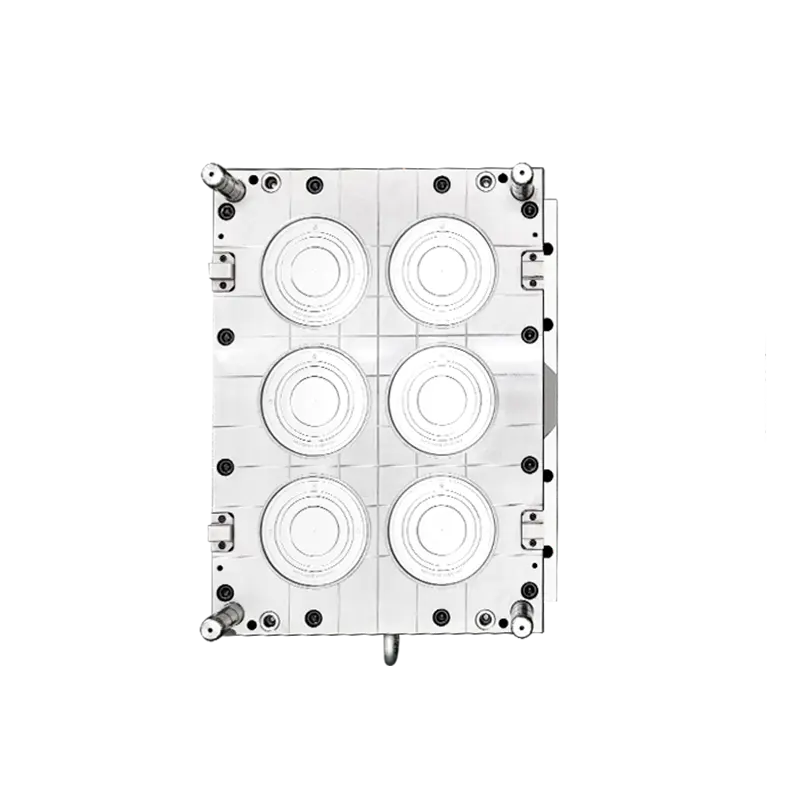
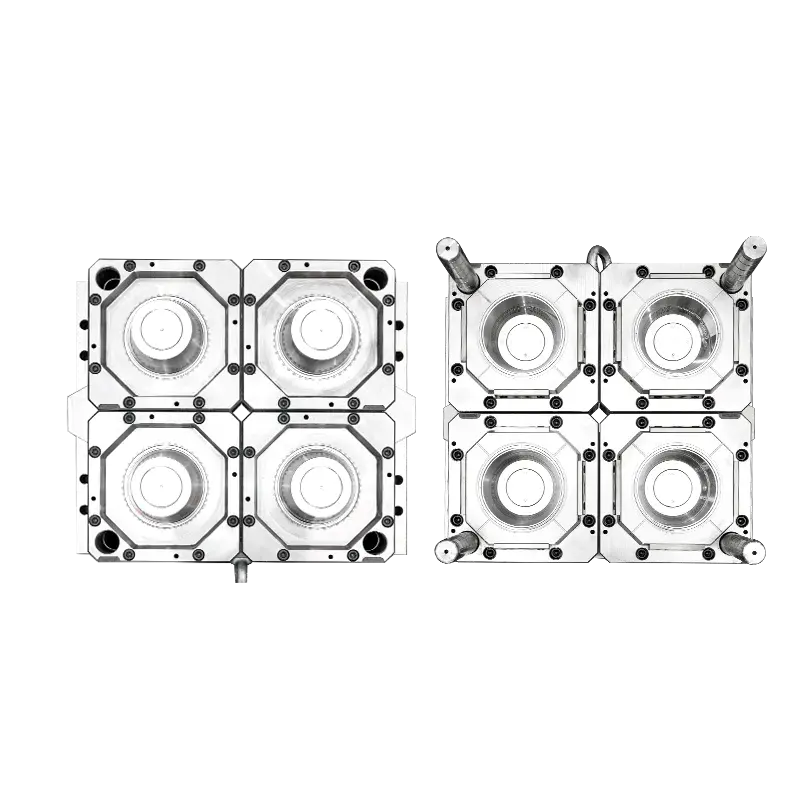
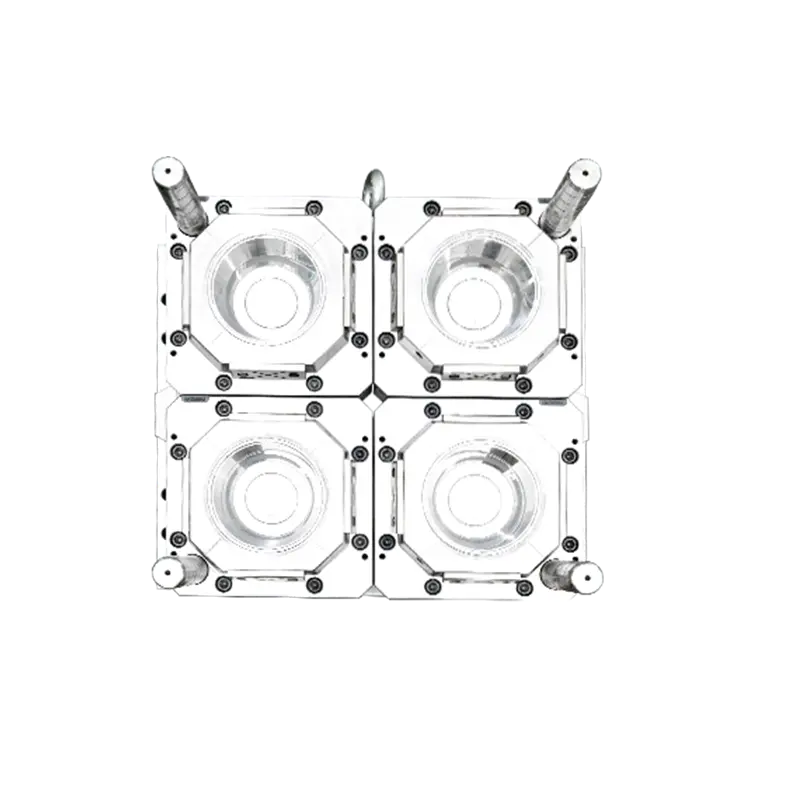
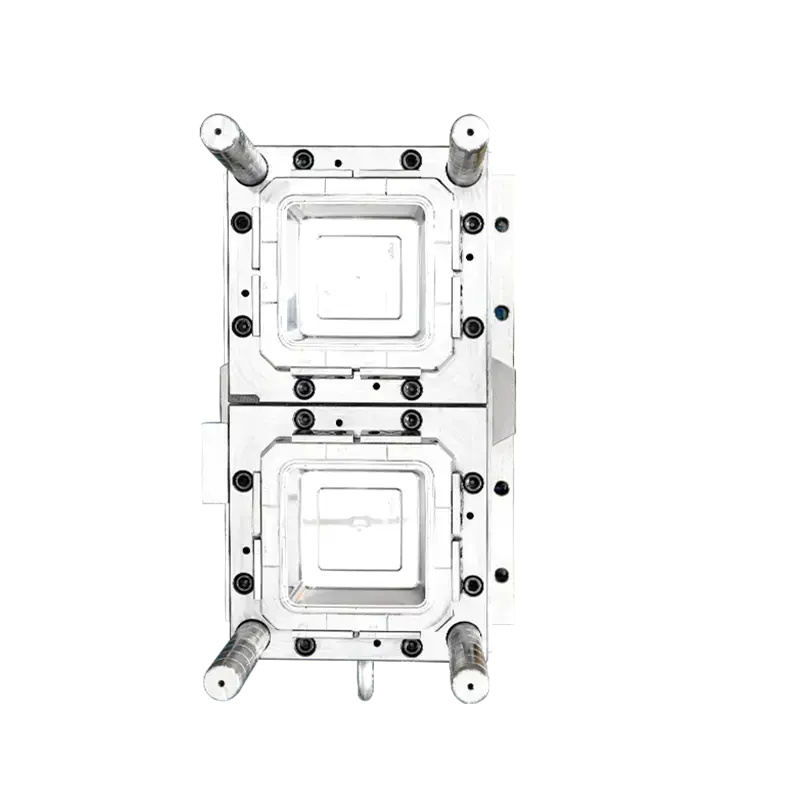
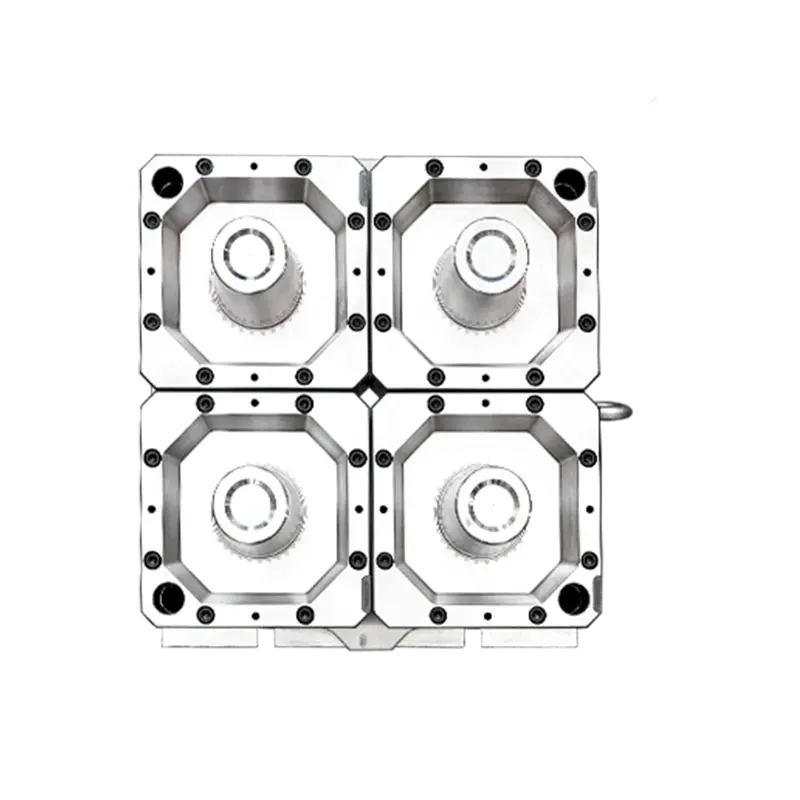
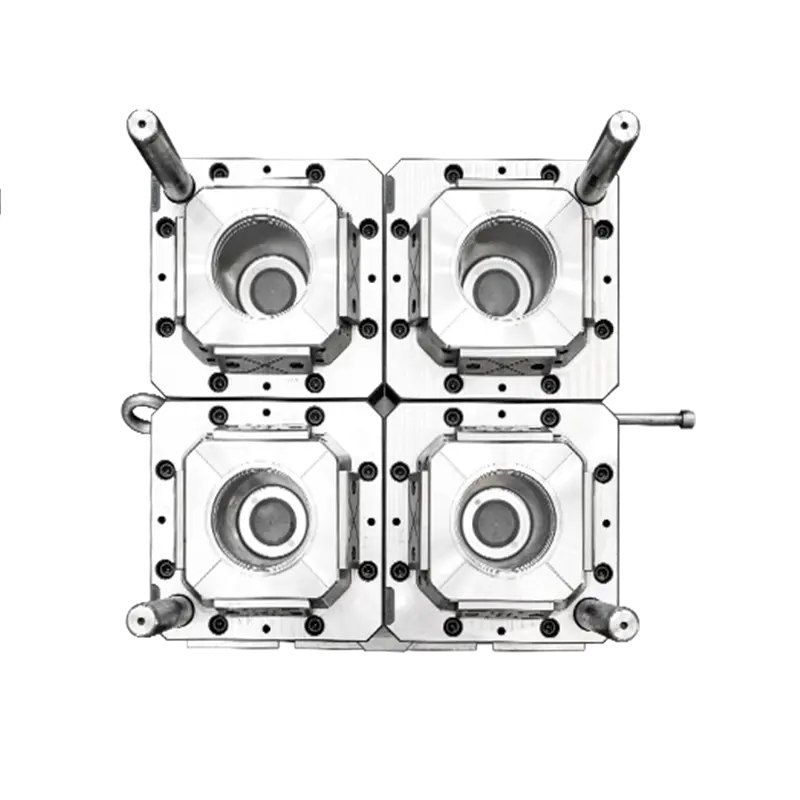
4CAV 32OZ soup container mould

4CAV 32oz soup container mould for leak-resistant takeaway packaging. The tooling is matched with a 350T high-speed machine, supports cycle targets within 6 seconds, and can be customized for sealing rim geometry, stacking and lid fit.

Typical product

32oz American-style soup container, hot food takeaway bowl, prepared meal packaging

Machine matching

350T high-speed injection molding machine

Cycle time target

Within 6 seconds per shot under suitable resin and cooling conditions

Structure focus

Rim sealing flatness, sidewall stiffness and anti-deformation ejection

Material compatibility

PP and similar food-grade resins depending on container design

Cavity configuration

4 cavities (customizable by output target)

4CAV 32OZ soup container mould
Real Hengqi tooling or product reference. Final cavity layout and structure are customized to the approved drawing and production target.

Hengqi proof system

The product page should also prove who can deliver the mould.

Buyers do not evaluate the product concept alone. They also need evidence that the supplier can design, machine, measure, trial and support the mould through production acceptance.

Hot runner and multi-cavity flow balance are reviewed around the real product and output target.

CNC, EDM, component fitting and CMM inspection are connected through the same manufacturing route.

Engineering support continues from drawing review and trial correction to production and after-sales response.

01 / Engineering review

The mould proposal must match the real production line.

Product geometry, resin, machine, cycle, lid or label and automation are reviewed as one system. The sections below explain the project-specific decisions buyers should confirm before steel is released.

4CAV 32OZ soup container mould

Engineering checkpoint 01

32oz soup container mould for leak-resistant takeaway packaging

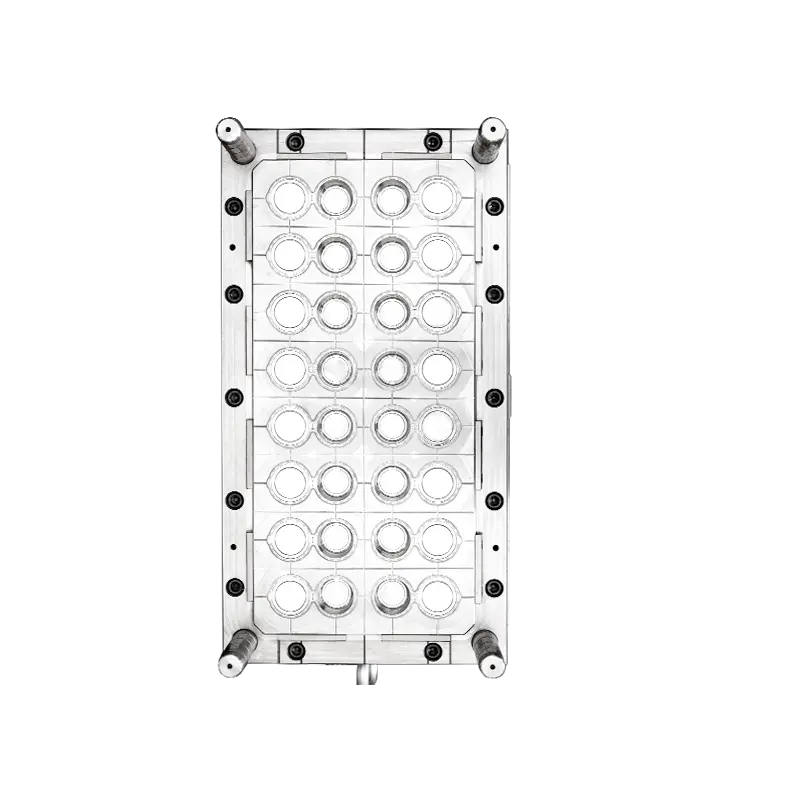
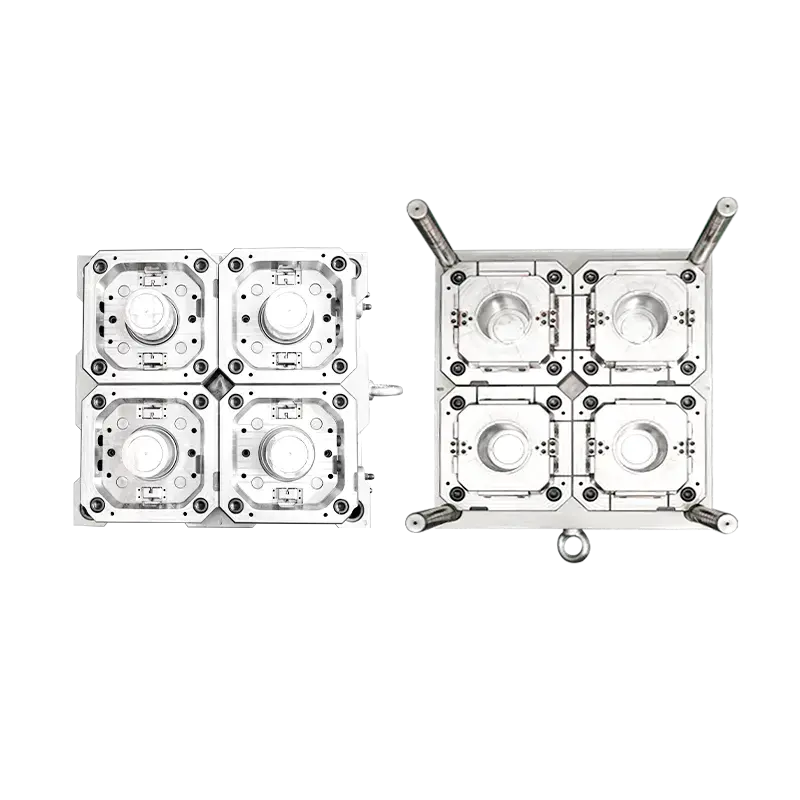
This 4CAV 32oz soup container mould is built for producers that need stable output of sealed round containers used in soup, noodles and hot ready-meal distribution.

The tooling focuses on reliable rim geometry and thin wall consistency so lids seal correctly and the container remains stackable during transport and secondary packing.
4CAV 32OZ soup container mould

Engineering checkpoint 02

Production factors that affect cycle speed and seal quality

For large-volume soup bowls, gate balance, cooling design and ejection stability directly influence cycle time and dimensional consistency at the sealing edge.

Hengqi can tune cavity structure, runner layout and steel selection according to your resin, target weight, machine setup and annual output plan.

4CAV 32OZ soup container mould

Engineering checkpoint 03

Procurement checks for hot-fill and delivery use cases

Soup containers often face heavier thermal and transport demands than dry food boxes, so buyers should confirm resin heat resistance, rim stiffness, lid snap force and stack pressure before mold release.

For delivery packaging, Hengqi reviews container roundness, anti-warp ribs, label panel requirements and matching lid samples so the finished bowl can support sealing, stacking and secondary packing without excessive part weight.

4CAV 32OZ soup container mould

Engineering checkpoint 04

Acceptance checks for sealed soup bowl production

Trial samples should be checked with the actual matching lid for snap fit, rim continuity, leak resistance, hot-fill deformation and stack pressure after cooling.

Because 32oz bowls carry more product weight than small containers, Hengqi also reviews bottom stiffness, sidewall recovery, ejection marks and whether the container remains round enough for automatic lid closing.

02 / Tooling specification

Compare the technical basis, not only the mould price.

These values describe the current reference project. Final steel, cavity count, runner, machine and cycle target are confirmed from the customer product and production plan.

Typical product

32oz American-style soup container, hot food takeaway bowl, prepared meal packaging

Machine matching

350T high-speed injection molding machine

Cycle time target

Within 6 seconds per shot under suitable resin and cooling conditions

Structure focus

Rim sealing flatness, sidewall stiffness and anti-deformation ejection

Material compatibility

PP and similar food-grade resins depending on container design

Cavity configuration

4 cavities (customizable by output target)

Acceptance focus

Rim flatness, lid snap fit, hot-fill deformation, stack load, leak testing and cavity-to-cavity weight balance

Useful RFQ data

Container and lid samples, fill temperature, resin grade, target weight, output plan, sealing test and machine specification

Front and rear mold material

Domestic or imported 2344/S136/customer specified

Mold base material

P20/4Cr13/Customer specified

Runner options

Needle valve or needle point hot runner

Customization

Top diameter, depth, lid fit, stacking geometry and label panel

03 / Before shipment

Acceptance evidence should answer production questions.

The exact checklist is agreed for each project. These are the core records buyers normally use to confirm dimensions, function, output and correction closure before shipment.

View inspection process
01

T0 / T1 trial records

Record the trial setup, resin, machine, process window, visible defects and required corrections.

02

Dimensional inspection

Verify critical product and tooling dimensions against the approved drawing and agreed tolerances.

03

Part weight and wall thickness

Check shot-to-shot consistency, thin-wall distribution and deformation risk across representative samples.

04

Lid fit or sealing test

Review closure engagement, rim flatness, leak risk, opening force and stacking where the product requires it.

05

Cycle and continuous running

Confirm the practical cycle target under suitable resin, cooling, machine and automation conditions.

06

Final evidence package

Provide agreed samples, trial video, inspection results and correction records for customer confirmation.

04 / Quotation checklist

Send enough production data for a useful tooling proposal.

A drawing or sample is the starting point. Machine, resin, output, closure and acceptance details allow Hengqi to review cavity layout, steel, runner, cooling and automation with fewer assumptions.

Product drawing or physical sample

Capacity, dimensions and target part weight

Resin grade and food-contact requirement

Target cavity number and annual output

Injection machine model and tonnage

Expected cycle time and automation plan

Matching lid, label or sealing requirement

Acceptance standard and delivery schedule

Discuss this mould with an engineer.

Send your drawing, sample photos and production target. Hengqi will review the project scope before preparing the quotation.

Start WhatsApp review Send formal inquiry

05 / Buyer questions

Questions to resolve before quotation.

What applications are common for a 32oz soup container mould?

It is commonly used for takeaway soup bowls, hot prepared foods and larger single-portion meal containers.

Can the lid-sealing rim be customized for our closure design?

Yes. Rim profile, sealing width and snap structure can be customized from your container and lid drawings or samples.

How should buyers prepare for an accurate quotation?

Provide drawings or samples, resin grade, target weight, cavity preference, machine tonnage and expected cycle/output requirements.

What quality tests are useful for a soup container mould project?

Common checks include lid-fit testing, leak testing, hot-fill deformation review, stacking load checks and transport simulation with the selected resin and target container weight.

Can a 32oz soup container mould be designed for hot filling?

Yes. Hot-fill projects should define resin grade, fill temperature, rim stiffness, cooling layout and lid sealing requirements before tooling so deformation risk can be reviewed early.

Why should the lid sample be sent for a soup container mould quote?

The lid controls rim width, snap force, leak testing and stacking behavior. Without it, the bowl mould can meet drawing dimensions but still fail real delivery packaging tests.